
Introduction: Unfiltered Is the New Authentic
In an age where media is oversaturated with polished scripts, corporate censorship, and carefully curated personas, unfiltered conversations are emerging as a powerful force in reshaping how audiences consume and trust media. Whether it’s through podcasts, livestreams, or independent broadcasts, the hunger for raw, unscripted dialogue has never been greater. This shift is not just a passing trend — it’s a cultural revolution. Nowhere is this revolution more visible than in the world of urban internet radio, particularly on platforms like FLY World Media and hosted by industry disruptors such as radio host Z-Fly, who bring authenticity to life through virtual broadcasting and celebrity interviews.
In this blog, we explore the power and potential of unfiltered conversations in media, particularly as seen through the lens of urban radio platforms based in New York City. From the real-time magic of interviews NYC to the role of radio show NYC scenes in empowering marginalized voices, unfiltered media has become a vital channel for community connection, social impact, and personal storytelling.
1. The Rise of Urban Internet Radio: Broadcasting Without Borders
Traditional radio has long held a tight grip on public dialogue, but that grip has loosened dramatically with the rise of urban internet radio. These online platforms have democratized the airwaves, allowing individuals from underserved communities to carve out a space in the industry.
Unlike FM/AM stations that operate under rigid content and advertising constraints, urban internet radio platforms provide space for real voices to be heard without compromise. Virtual broadcasting eliminates geographical limitations, making it possible for a voice in Brooklyn to connect with listeners in Nigeria, London, or South Carolina in real time.
Urban radio platforms like FLY World Media, led by radio host Z-Fly, thrive on this model. They offer a mix of celebrity interviews, grassroots commentary, and music that isn’t dictated by mainstream labels. The open format fosters honest conversations about politics, relationships, health, culture, and community in a way that resonates deeply with listeners.
2. Z-Fly and the Art of Keeping It Real
Radio host Z-Fly is a perfect example of how authenticity drives listener engagement. Known for his direct style, high-energy hosting, and commitment to community storytelling, Z-Fly doesn’t shy away from tough topics. His radio show doesn’t follow a cookie-cutter script — instead, it flows like a real conversation, with moments of laughter, vulnerability, and raw emotion.
Through interviews NYC with artists, activists, and everyday people, Z-Fly captures stories that mainstream media often ignores. From the struggles of up-and-coming hip-hop artists to the testimony of cancer survivors, his unfiltered platform allows for emotional resonance and human connection.
What makes Z-Fly different is his refusal to dilute truth for popularity. He embraces the uncomfortable, asks the questions others avoid, and lets guests speak freely — no publicist-approved soundbites required.
3. The Human Need for Real Conversations
Why are unfiltered conversations so powerful?
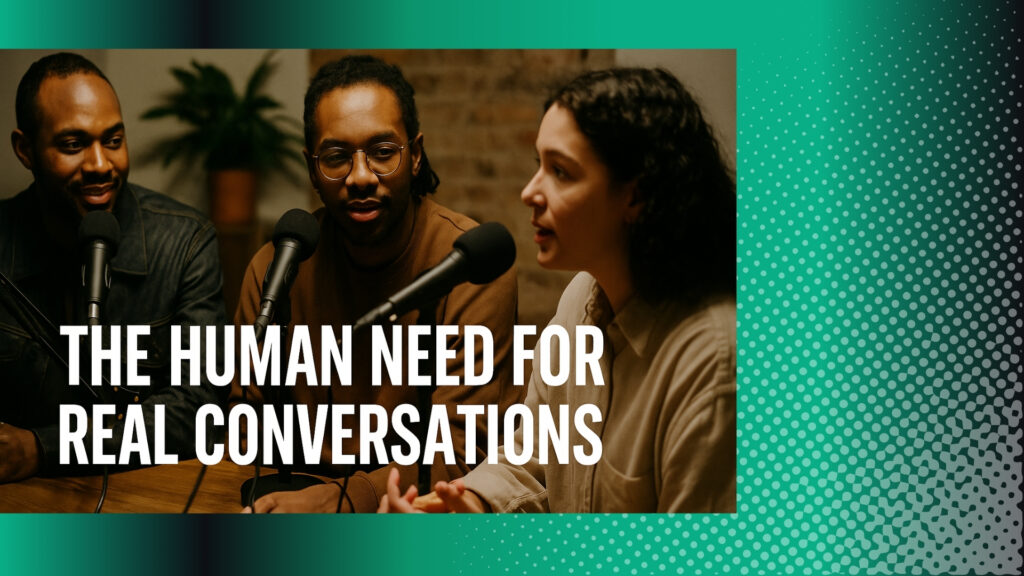
Because humans crave connection. And connection doesn’t come from edited scripts — it comes from shared truths, imperfections, and vulnerability. Whether discussing mental health, systemic injustice, or love in the digital age, real conversations validate people’s lived experiences.
Listeners today are smart; they know when they’re being sold to. When a radio show NYC prioritizes authenticity over polish, it builds trust and loyalty. A listener might tune in for a headline or a song, but they stay because the host is relatable and real.
Unfiltered conversations also challenge the media status quo. They create space for marginalized voices — LGBTQ+ individuals, people of color, immigrants, and grassroots creatives — to speak on their terms. This inclusivity fosters a richer media environment that reflects the true diversity of human experience.
4. Virtual Broadcasting: The New Front Porch
Virtual broadcasting has redefined what it means to be “live on air.” Gone are the days when broadcasting required million-dollar studios. Now, a mic, a laptop, and Wi-Fi can produce global influence.
Z-Fly and others in the urban internet radio movement use platforms like StreamYard, YouTube Live, Facebook Live, and Spotify to stream their radio shows from NYC or wherever they are in the world. This flexibility has birthed an entire generation of homegrown voices turning bedrooms into studios and local conversations into international movements.
Virtual broadcasting removes the pressure of traditional time slots and gives creators total control over content, tone, and timing. This accessibility enables more frequent, more intimate conversations with audiences — whether through casual Q&As, behind-the-scenes moments, or live interviews.
5. The Power of Celebrity Interviews Without the Filter
We’ve all seen the difference between a “PR-approved” celebrity interview and a raw, unguarded one. The former might make headlines, but the latter makes history.
On urban radio platforms like FLY World Media, celebrity interviews are less about image and more about essence. When stars are given space to speak candidly — about fame, failure, identity, or healing — it transforms them from idols to human beings. Z-Fly’s interviews with artists, authors, and influencers often reveal untold stories: not just about their careers but their causes, communities, and convictions.
This format gives audiences the kind of emotional transparency that builds long-term connection. The realness of these interviews is not just entertaining — it’s therapeutic.
6. The NYC Influence: Where Culture and Conversation Collide
New York City remains one of the most culturally rich, diverse, and dynamic places on the planet — and its media reflects that. The radio show NYC landscape has always been vibrant, from the legacy of WBLS to the rise of Power 105.1. But now, internet-based platforms are joining that lineage with fresh energy and unfiltered storytelling.
Z-Fly’s show, deeply rooted in NYC’s pulse, exemplifies how media in the city acts as a mirror and a megaphone. Whether it’s discussing gentrification in Harlem, spotlighting Bronx drill rappers, or exploring Black wellness movements in Brooklyn, the platform remains grounded in community context. Interviews NYC are not just entertainment; they are socio-political commentary, cultural critique, and historical record.
7. A New Kind of Radio Platform: The FLY Model
The emergence of new radio platforms that prioritize community, transparency, and interactivity is changing the media game. FLY World Media is a perfect example. It’s not just a station; it’s a media ecosystem that empowers emerging voices, cultivates dialogue, and breaks mainstream molds.
This radio platform does more than entertain. It educates, activates, and connects — fostering solidarity through sound. Whether it’s through genre-bending music programming, community roundtables, or spotlight features on indie artists, FLY is committed to truth-telling.
Their model is not driven by ratings, but by relationships. In an era where mainstream outlets are hemorrhaging trust, FLY builds it — one real conversation at a time.
8. Social Media + Radio = Revolutionary Reach
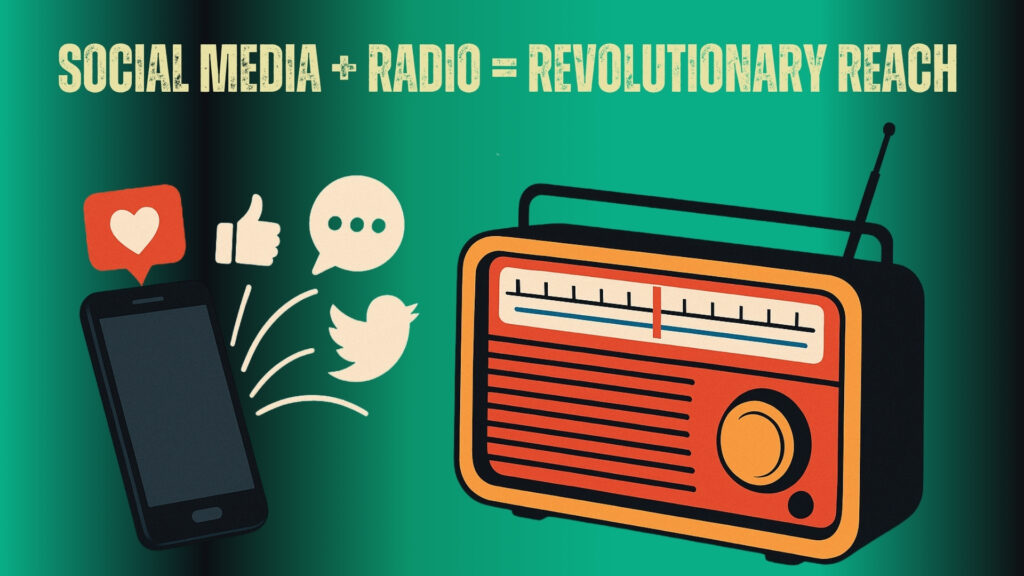
Unfiltered conversations gain exponential power when paired with social media. A single 10-minute clip from an urban internet radio interview can go viral on TikTok, spark debate on X (formerly Twitter), and turn into a meme on Instagram.
Z-Fly’s ability to leverage these platforms amplifies his show’s message and impact. Listeners don’t just tune in — they engage, share, comment, and remix. This two-way interaction turns passive listeners into active participants, creating a community around the content.
And that’s the future of media: not just content consumption, but content co-creation.
9. Challenges of Keeping It Real
Of course, there are risks to unfiltered media. Without corporate backing or editorial gatekeeping, hosts are often more vulnerable to backlash, misinformation, or legal issues. Additionally, platforms that encourage open conversation must still navigate ethical boundaries — such as avoiding hate speech, misinformation, and harmful stereotypes.
But for many urban internet broadcasters, these challenges are worth the freedom they gain. With smart community guidelines and a commitment to integrity, creators like Z-Fly continue to walk the line between real and responsible.
10. The Future: Raw Voices, Real Impact
Looking ahead, the demand for unfiltered, community-focused media will only grow. Audiences are done with clickbait and tired of artificial hosts. They want truth, nuance, and soul — things that only real conversations can deliver.
As more independent creators step into the arena and platforms like FLY World Media gain influence, we can expect to see unfiltered content shaping public opinion, influencing elections, starting movements, and even healing trauma.
In this new era of media, the most powerful thing you can be is real.
Conclusion: Keep the Mic On, Keep It Honest
The age of filtered media is fading. In its place, we are witnessing the rise of storytelling that is raw, resonant, and rooted in lived experience. Thanks to urban internet radio, radio hosts like Z-Fly, and platforms driven by community, unfiltered conversations are no longer niche — they are the heartbeat of modern media.
From the heart of radio show NYC culture to the reach of virtual broadcasting, these platforms are reshaping how we listen, learn, and lead. Whether it’s through emotional celebrity interviews, compelling interviews NYC, or real-time discourse on emerging issues, the power lies not in perfection — but in presence.
The mic is on. The filters are off. And the world is finally listening.