
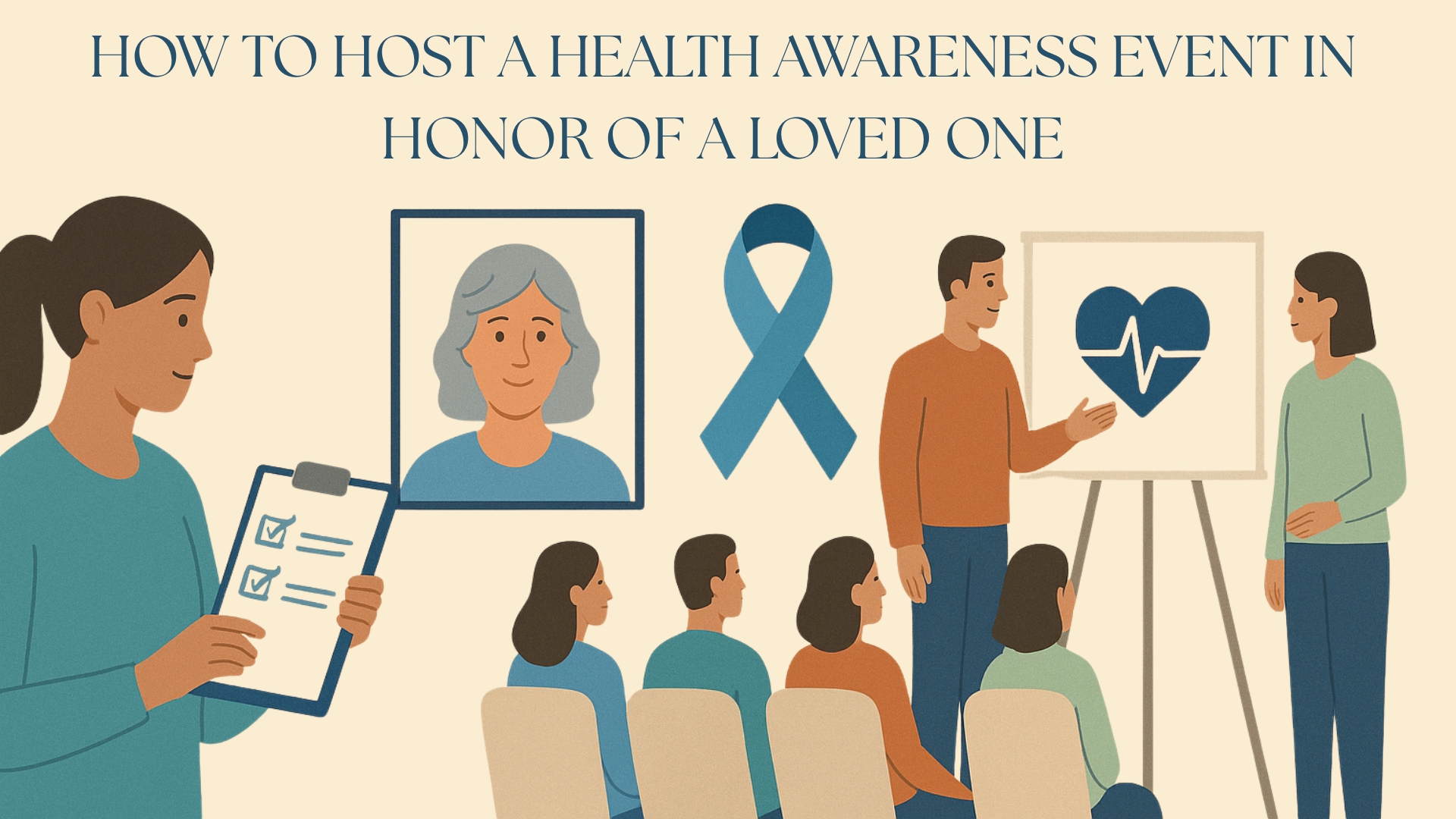
When a loved one battles or passes away from an illness, many people feel compelled to do something meaningful in their honor. Hosting a health awareness event is one of the most powerful ways to channel grief, celebrate their life, and help others. Such events not only pay tribute to your loved one but also create opportunities for education, fundraising, and community building.
Whether your goal is to raise money for a women’s cancer foundation, bring attention to gynecologic cancer awareness, or simply create a space where people can gather in support, the process of hosting an impactful event requires thoughtful planning. In this guide, we’ll walk through everything you need to know about organizing a health awareness event—from choosing the right format and venue to engaging local communities, leveraging social awareness entertainment, and building partnerships with organizations and businesses.
By the end of this article, you’ll have a roadmap for transforming personal pain into a collective purpose—ensuring your loved one’s legacy lives on while empowering others.
Why Hosting a Health Awareness Event Matters
Health awareness events are more than fundraisers or informational sessions. They are living tributes. When you host an event in honor of your loved one, you:
- Raise Awareness: Many conditions, such as uterine and endometrial cancer, are still under-discussed. A gathering helps spread knowledge about risk factors, prevention, and treatment.
- Educate the Community: Information saves lives. By partnering with a women’s cancer foundation or healthcare providers, you can give attendees life-saving resources.
- Foster Healing: Coming together to remember and act in someone’s honor creates a space for healing.
- Support a Cause: Raising funds for organizations or research helps drive progress.
- Build Community: Hosting through a community-based entertainment platform or collaborating with local groups ensures lasting connections.
Events like these remind us that one person’s story can ripple outward, inspiring and helping countless others.
Step 1: Define Your Purpose and Goals
Every impactful event starts with clarity. Before you start booking venues or designing flyers, ask yourself:
- What is the main purpose? (Awareness, fundraising, remembrance, or a mix?)
- What cause or foundation will benefit? (e.g., gynecologic cancer awareness campaigns, a specific women’s cancer foundation, or a hospital’s research program.)
- What message do you want attendees to leave with?
- How will the event honor your loved one’s story?
Write these answers down. They’ll guide every decision you make. For example, if your goal is fundraising, you might design the event around ticket sales and silent auctions. If your main purpose is awareness, you might focus on speakers, panels, and free screenings.
Step 2: Choose the Type of Event
There’s no one-size-fits-all approach. The format of your event depends on your loved one’s story, your goals, and your community. Here are some ideas:
1. Health Fair or Awareness Walk
These are popular formats where attendees can connect with healthcare providers, learn about prevention, and join in group activities like a 5K walk. You could spotlight gynecologic cancer awareness booths and distribute brochures from a women’s cancer foundation.
2. Benefit Concert or Social Awareness Entertainment Event
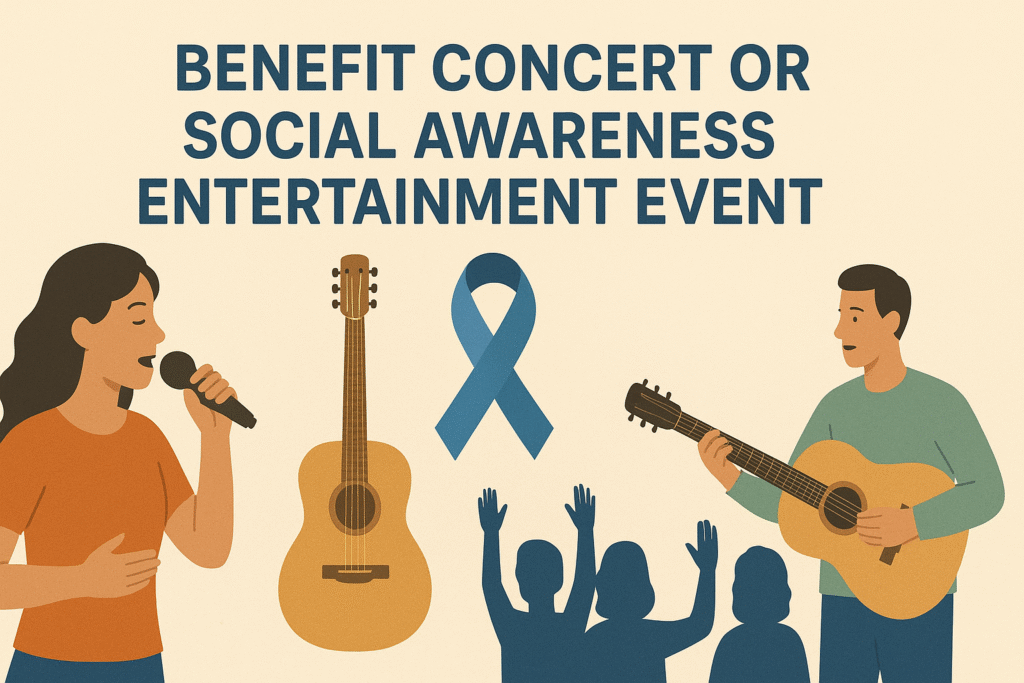
Music and art are universal languages. Hosting a concert, dance show, or open mic under the banner of social awareness entertainment makes the event both educational and engaging.
3. Panel Discussions and Workshops
Bring together doctors, survivors, and advocates for interactive sessions. Survivors’ testimonies—especially endometrial or uterine cancer survivor stories—often resonate deeply.
4. Networking Events for Creatives
If your loved one valued art, media, or community, consider creating a networking event for creatives where artists showcase their work while raising funds for a cause. Partnering with a Black-owned media company can amplify impact and representation.
5. Community Vigil or Memorial Dinner
A more intimate option is hosting a candlelight vigil, dinner, or storytelling evening. This focuses on remembrance while still educating attendees.
Step 3: Build Partnerships
Collaboration amplifies impact. Start by identifying potential partners:
- Healthcare Organizations & Nonprofits: Partner with a women’s cancer foundation to provide educational materials, speakers, or co-hosting support.
- Media & Entertainment Platforms: Collaborate with a Black-owned media company or a community-based entertainment platform to help promote your event while supporting diverse voices.
- Local Businesses: Restaurants, gyms, and yoga studios may donate products, sponsorships, or space.
- Faith & Community Leaders: Invite local leaders to endorse the event, boosting credibility and turnout.
Remember: partnerships create a network effect. A single collaboration with a nonprofit can bring you sponsors, volunteers, and attendees all at once.
Step 4: Create a Planning Timeline
Organizing a successful health awareness event requires careful timing. Here’s a sample timeline for an event scheduled three months from now:
- 3 Months Out: Define purpose, choose event format, secure partnerships.
- 2 Months Out: Book venue, line up speakers or entertainers, launch promotions.
- 6 Weeks Out: Recruit volunteers, confirm sponsors, order supplies.
- 1 Month Out: Begin ticket sales (if applicable), ramp up marketing, finalize logistics.
- 2 Weeks Out: Confirm speakers/entertainers, test AV equipment, finalize programs.
- Event Day: Execute with energy and adaptability.
- Post-Event: Thank participants, share results, and honor your loved one publicly.
Step 5: Select a Venue
The right venue sets the tone. Consider:
- Accessibility: Is it easy for people with mobility challenges to attend?
- Size: Does it accommodate your expected audience?
- Atmosphere: A cultural center might be perfect for social awareness entertainment, while a church hall could be more intimate.
- Cost: Some nonprofits and community centers may offer discounts or free use of space if the event supports gynecologic cancer awareness.
Step 6: Design the Program
Your program should balance education, entertainment, and remembrance. A sample agenda might look like this:
- Welcome & Tribute: Open with a short story about your loved one’s life.
- Educational Segment: Invite a doctor or representative from a women’s cancer foundation to share facts about symptoms, early detection, and treatment.
- Entertainment Segment: Host music, dance, or spoken word through a community-based entertainment platform.
- Networking Session: Allow attendees to mingle—especially powerful if you’ve invited local artists to create a networking event for creatives.
- Call to Action: Encourage donations, volunteering, or ongoing awareness efforts.
- Closing Memorial: A candle-lighting, video tribute, or prayer circle.
Step 7: Marketing and Outreach
You want people to attend, learn, and spread the word. Use these strategies:
- Social Media Campaigns: Share your loved one’s story, create countdown posts, and highlight guest speakers.
- Local Press: Reach out to community newspapers and radio stations.
- Partnership Marketing: Ask your partners (like a Black-owned media company) to promote the event.
- Flyers & Posters: Place in community centers, libraries, coffee shops.
- Word of Mouth: Encourage family and friends to invite others.
Step 8: Fundraising Strategies
If fundraising is part of your event, consider:
- Ticket sales (sliding scale to remain inclusive).
- Silent auctions with donated items from local businesses.
- Sponsorship packages (e.g., businesses sponsoring specific parts of the program).
- Online crowdfunding leading up to the event.
Be transparent: let attendees know exactly where funds go—whether to research, a women’s cancer foundation, or another cause tied to your loved one’s journey.
Step 9: Make It Personal
The heart of your event is the personal story. Share photos, videos, or journals of your loved one. Create memory walls where attendees can post notes or photos. This transforms the event from generic to deeply meaningful.
Remember: people don’t just connect with causes—they connect with people.
Step 10: Follow Up After the Event
Don’t let the impact end once the lights go out. After your event:
- Share a recap video or photo gallery.
- Publicly thank volunteers, sponsors, and attendees.
- Report how much money was raised and how it will be used.
- Keep the community engaged by planning future events or ongoing awareness campaigns.
This ongoing follow-up helps your loved one’s legacy live on and ensures that the seeds of awareness continue to grow.
Final Thoughts
Hosting a health awareness event in honor of a loved one is an act of love and leadership. It transforms grief into community action, raises vital awareness, and provides support to others who may be walking a similar journey. By weaving together education, remembrance, and social awareness entertainment, you can create an event that resonates long after it ends.
With the right partnerships—whether through a women’s cancer foundation, a community-based entertainment platform, or a Black-owned media company—your event can ripple outward, touching lives you may never even meet.
The power of remembrance lies in action. Your event is not just for your loved one—it’s for every person who will benefit from the awareness, knowledge, and support it generates.