
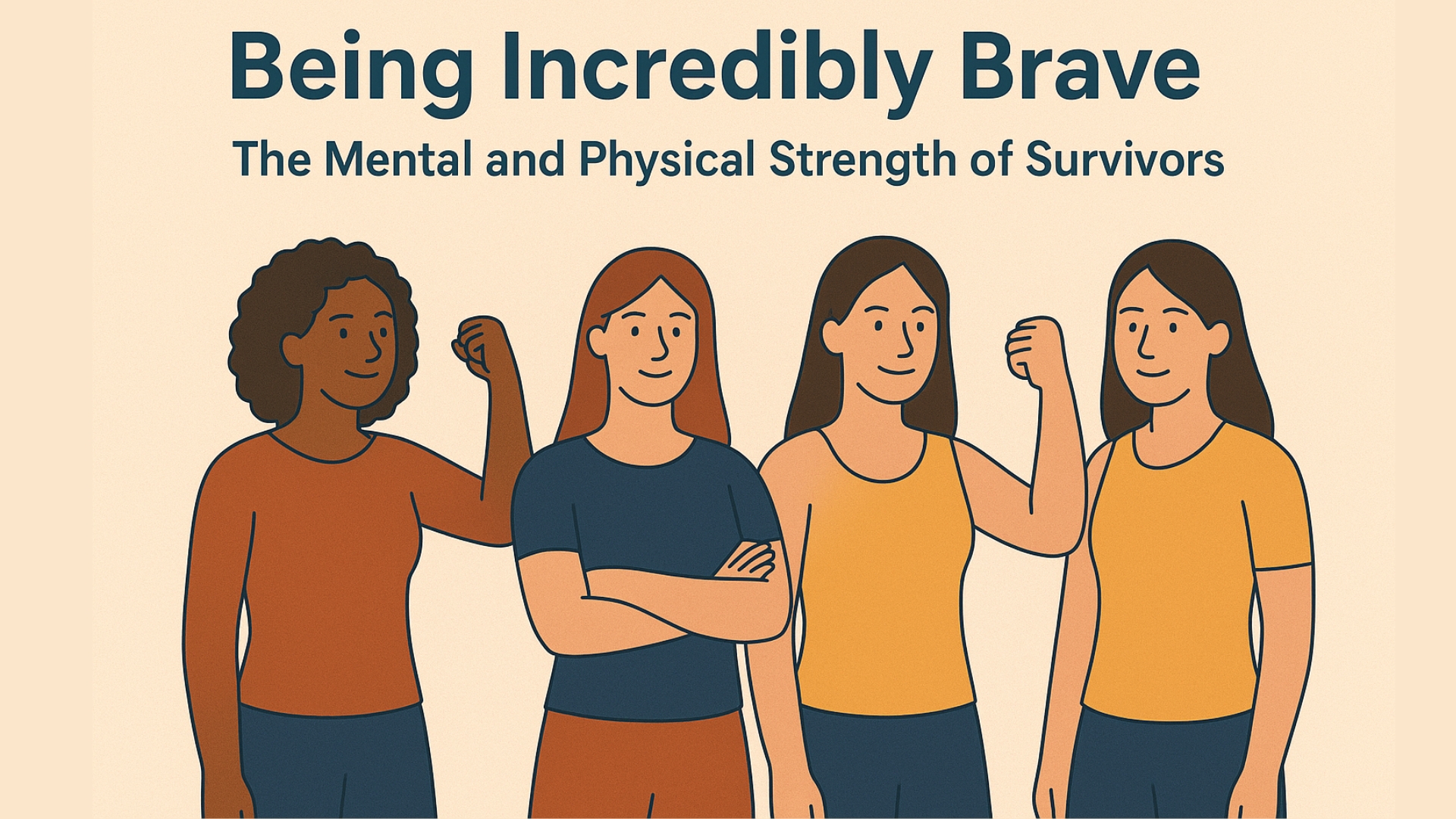
Survivorship is often portrayed as a destination—a final stage after diagnosis, treatment, and recovery. But for many survivors, it’s not just about reaching the finish line. It’s about the resilience, strength, and sheer bravery they display every single day. Being incredibly brave is not just about fighting through a health crisis like cancer—it’s about facing fear with determination, embracing vulnerability, and using both physical and mental strength to inspire others.
When we talk about bravery in the context of survivorship, we are celebrating those who have endured battles with illnesses like uterine cancer anduterine cancer, as well as survivors of trauma, loss, or life-altering experiences. Survivors don’t simply live; they thrive, redefine strength, and give back to their communities.
This blog explores the courage of survivors, highlighting the mental and physical strength required to overcome hardship, and the ways organizations, communities, and entertainment platforms—like Forever Live Young (FLY) Entertainment—are helping raise awareness and provide support.
What Does It Mean to Be Incredibly Brave?
Bravery is often misunderstood as the absence of fear. In truth, bravery is acting in the face of fear, uncertainty, and pain. For survivors, being brave doesn’t mean they weren’t afraid—it means they chose to keep going despite fear.
- Mental Strength: Survivors learn how to navigate anxiety, depression, and trauma. The mental toll of a cancer diagnosis, for example, can be just as heavy as the physical one. Bravery here means asking for help, seeking counseling, and refusing to give up hope.
- Physical Strength: Treatments such as chemotherapy, radiation, or surgery test the limits of the body. Survivors show bravery by pushing through the exhaustion, rebuilding their bodies, and finding new ways to live life fully.
- Emotional Resilience: Survivors often redefine what happiness, peace, and love mean. They build resilience that inspires everyone around them.
Survivors of Gynecologic Cancers: A Story of Strength
One of the most powerful examples of bravery comes from women facing gynecologic cancers, including uterine cancer and endometrial cancer. These cancers are not only life-threatening but also deeply personal, often tied to identity, womanhood, and reproductive health.
Uterine Cancer Support
Women battling uterine cancer need both physical and emotional support. Uterine cancer support groups provide a safe space where survivors and patients can share experiences, exchange practical tips, and lift one another up through solidarity. Bravery here is shown not just in surviving treatments but in speaking up, breaking silence, and creating awareness for early detection.
Endometrial Cancer Facts
Understanding the disease is part of building awareness and strength. Some important endometrial cancer facts include:
- It is the most common type of uterine cancer.
- Symptoms often include abnormal bleeding, pelvic pain, and changes in menstrual cycles.
- Risk factors include obesity, age, hormone imbalances, and family history.
- Early detection drastically improves survival rates.
By sharing these facts, survivors empower others to recognize symptoms and advocate for their health. Knowledge becomes a form of bravery—because it equips women to act early.
The Role of Awareness and Education
Survivors often become advocates, using their stories to raise awareness. Gynecologic cancer awareness campaigns highlight the importance of education, regular check-ups, and understanding the signs of cancers like endometrial or ovarian cancer.
In cities like New York, initiatives such as women’s cancer education NYC programs create opportunities for survivors to share their stories with local communities. These efforts help break stigma, spread accurate information, and inspire women to prioritize their health.
In North Carolina, community health events NC provide another layer of support. Survivors participate in walks, fundraisers, and wellness fairs, where they connect with others and raise awareness about gynecologic cancers. These events also show how bravery isn’t just personal—it’s collective, built through
The Mental Battle: Resilience Beyond the Diagnosis
The journey of survivorship is not just about overcoming physical illness. Survivors face long-lasting mental health challenges:
- Anxiety: Will the cancer come back?
- Depression: How do I rebuild my life after so much has changed?
- Survivor’s Guilt: Why did I survive when others didn’t?
What makes survivors incredibly brave is their willingness to confront these challenges. Many seek therapy, join support groups, and lean on faith or spirituality. Survivorship teaches them to value life differently—to live more intentionally, to forgive faster, and to embrace joy even when pain lingers.
Physical Strength: Rebuilding the Body
The body of a survivor tells a story—scars, fatigue, and long-term side effects remind them daily of their battle. But survivors are also warriors who rebuild:
- Through Fitness: Gentle exercise like yoga, walking, and strength training help survivors regain energy and confidence.
- Through Nutrition: Eating cancer-fighting foods and following balanced diets becomes an act of self-love and self-protection.
- Through Rest: Survivors learn that rest is not weakness—it’s an essential part of healing.
Bravery here lies in persistence: survivors push through pain, celebrate small victories, and honor their bodies for carrying them through the storm.
The Power of Community in Survivorship
Survivors rarely walk alone. Families, friends, organizations, and local communities are pillars of support.
- Community health events NC connect survivors with neighbors, healthcare professionals, and advocates who share resources and create safe spaces.
- Women’s cancer education NYC programs empower urban communities with knowledge and encourage early detection.
- National organizations provide hotlines, online groups, and patient navigators for those who feel isolated.
The courage of survivors shines brighter when amplified by the people around them. Support networks remind them that they are not defined by illness but by their ability to live beyond it.
FLY Entertainment: Where Bravery Meets Advocacy
Interestingly, entertainment platforms have also played a role in spreading awareness. Forever Live Young (FLY) Entertainment, for example, goes beyond music and media. Founded with a mission to blend entertainment with advocacy, FLY Entertainment highlights social issues including gynecologic cancer awareness.
By organizing benefit shows, fundraisers, and creative platforms, FLY brings survivors’ stories to larger audiences. This not only raises funds for uterine cancer support initiatives but also helps normalize conversations about women’s health. Survivors often share their testimonies at these events, turning stages into platforms of healing and education.
Bravery in this context means standing on stage, speaking one’s truth, and knowing that your voice could save a life.
Stories of Survivors Who Inspire
Survivors come from every walk of life. Here are a few composite examples that represent the bravery of many:
- Angela, a Teacher: After her endometrial cancer diagnosis, she faced multiple surgeries. Instead of retreating, she started a blog to share endometrial cancer facts, reaching thousands of women online.
- Maria, a Dancer: She turned her recovery into art, performing at FLY Entertainment events to inspire women to embrace their bodies after illness.
- Sandra, from NC: After attending community health events NC, she founded a local support group, creating a safe space for women facing gynecologic cancers.
- Tanya, from NYC: She became part of women’s cancer education NYC, teaching high school girls about reproductive health and the importance of early detection.
Each of these women shows that being incredibly brave is not about living without pain—it’s about transforming pain into purpose.
Faith and Spirituality in Survivorship
Many survivors lean on faith during their journeys. Prayer groups, faith-based cancer events, and spiritual counseling provide comfort during treatment. Survivors often credit their faith for giving them the strength to persevere when medicine alone felt overwhelming.
Bravery here lies in surrender: trusting in something bigger than oneself, finding peace in uncertainty, and using faith as fuel for resilience.
Turning Pain into Purpose
The most incredible aspect of survivorship is how pain becomes purpose. Survivors often dedicate their lives to advocacy, education, and mentorship. They turn their scars into stories that save lives, their fear into faith, and their challenges into community change.
Whether it’s through uterine cancer support groups, gynecologic cancer awareness campaigns, community health events NC, or entertainment-based advocacy by organizations like Forever Live Young Entertainment, survivors prove that bravery is not a single act. It’s a way of life.
Conclusion: Celebrating the Strength of Survivors
Being incredibly brave means showing up every day, even when the weight of fear and pain feels unbearable. Survivors embody this courage through mental resilience, physical recovery, and the strength to share their journeys.
As we celebrate survivors, we must also commit to supporting them—through education, awareness, and platforms that amplify their voices. Organizations like FLY Entertainment, along with health initiatives in NYC and NC, remind us that survivorship is not an individual story but a collective movement.
Survivors teach us that bravery is not about never falling—it’s about rising again and again, stronger, wiser, and more compassionate.


