
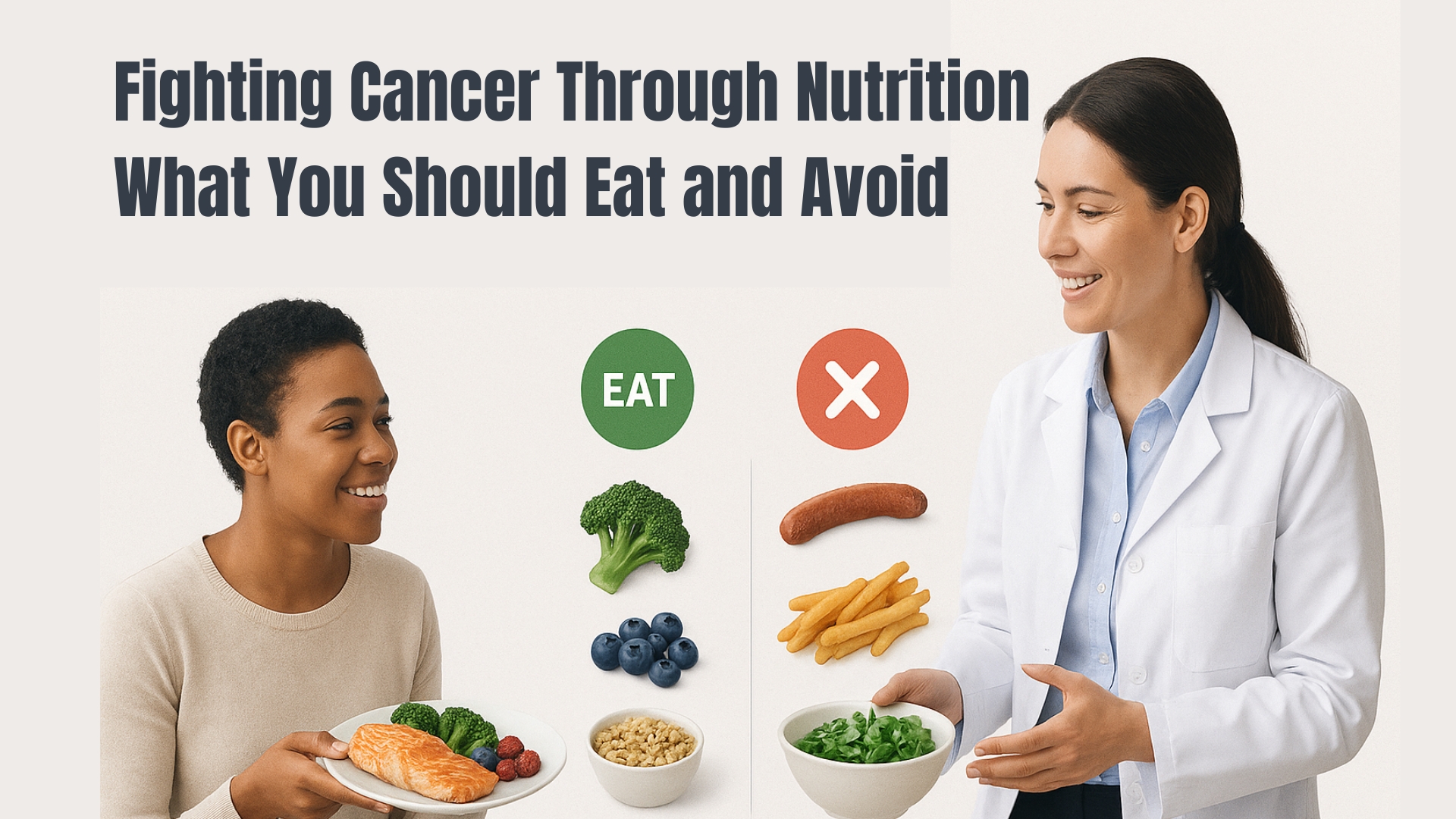
Cancer is one of the most challenging health battles of our time. While medical treatments such as chemotherapy, radiation, and surgery play a central role in fighting cancer, nutrition has proven to be equally important in improving outcomes, boosting immunity, and enhancing quality of life. What you eat and avoid can significantly influence how your body responds to treatment, how quickly you recover, and even your risk of recurrence.
In this detailed guide, we’ll explore the powerful connection between diet and cancer, the best foods to eat, what to avoid, and practical meal tips to help you or a loved one fight cancer with strength and resilience.
Why Nutrition Matters in the Fight Against Cancer
Nutrition provides the body with essential vitamins, minerals, antioxidants, and energy needed to support healing and immunity. Cancer and its treatments can weaken the body, cause weight loss, reduce appetite, and increase inflammation. Eating the right foods can:
- Boost the immune system – helping the body fight infections during treatment.
- Reduce inflammation – lowering the risk of cancer growth and recurrence.
- Promote healing and repair – by providing antioxidants and protein.
- Improve energy levels – combating fatigue and treatment side effects.
- Enhance survival outcomes – studies suggest proper nutrition can lower recurrence rates in some cancers.
The Cancer-Fighting Diet: What to Eat
The ideal cancer-fighting diet is not about deprivation but about eating whole, nutrient-rich, plant-forward meals that strengthen the body. Here are the categories of foods that should dominate your plate:
1. Fresh Fruits and Vegetables
Fruits and vegetables are rich in phytonutrients and antioxidants that fight free radicals and reduce oxidative stress.
- Cruciferous Vegetables (broccoli, kale, cauliflower, Brussels sprouts): Contain sulforaphane, which may help block cancer cell growth.
- Leafy Greens (spinach, collard greens, Swiss chard): Rich in folate and fiber, which protect DNA from damage.
- Berries (blueberries, strawberries, raspberries): High in anthocyanins and vitamin C, powerful cancer-fighting antioxidants.
- Tomatoes: Contain lycopene, linked to lower prostate and breast cancer risks.
- Carrots and Sweet Potatoes: Packed with beta-carotene and vitamin A, supporting immune defense.
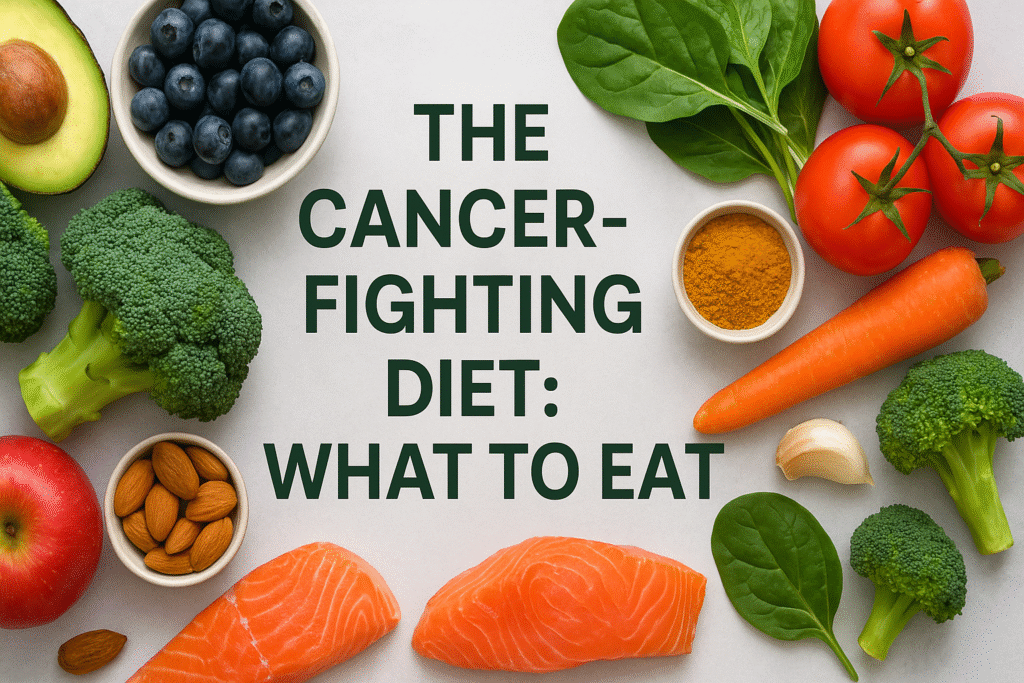
Tip: Aim for a “rainbow plate” to maximize nutrient diversity.
2. Whole Grains and Fiber-Rich Foods
Whole grains like brown rice, oats, quinoa, and barley contain fiber that supports gut health and helps regulate blood sugar, which is important since cancer cells thrive on sugar spikes.
Fiber also promotes healthy digestion and reduces the risk of colorectal cancer.
3. Lean Protein Sources
Protein is essential for tissue repair, immune strength, and recovery after treatments like surgery or chemotherapy.
- Plant-Based Proteins: Beans, lentils, chickpeas, tofu, and tempeh provide protein and anti-inflammatory benefits.
- Fish: Fatty fish like salmon, sardines, and mackerel provide omega-3 fatty acids that reduce inflammation.
- Poultry: Lean chicken and turkey are easier to digest than red meat.
- Eggs: Rich in high-quality protein and vitamins like B12.
4. Healthy Fats
Not all fats are bad—some are powerful allies in cancer prevention and recovery.
- Olive oil: Contains polyphenols that fight inflammation.
- Avocados: Rich in heart-healthy monounsaturated fats.
- Nuts & Seeds: Almonds, walnuts, flaxseeds, and chia seeds provide protein, fiber, and omega-3s.
- Fatty Fish: Provides EPA and DHA, essential for reducing inflammation.
5. Immune-Boosting Spices and Herbs
Many spices have natural cancer-fighting properties:
- Turmeric (curcumin): Reduces inflammation and inhibits cancer cell growth.
- Garlic and Onions: Contain allicin, linked to reduced risk of stomach and colorectal cancer.
- Ginger: Helps with nausea from chemotherapy and has anti-inflammatory effects.
- Green Tea: Rich in catechins, powerful antioxidants that suppress tumor growth.
What to Avoid in a Cancer-Fighting Diet
While some foods strengthen the body, others may worsen inflammation, fuel cancer cells, or interfere with treatment. Here’s what to limit or avoid:
1. Processed Meats
Bacon, sausages, hot dogs, and deli meats contain nitrates and nitrites that are linked to colorectal and stomach cancers.
2. Excess Red Meat
Beef, lamb, and pork—especially when grilled or charred—can increase risks of colon and pancreatic cancers.
3. Refined Sugar and Sugary Drinks
Cancer cells feed on glucose. While natural sugars from fruits are fine, added sugars from soda, desserts, and candy cause inflammation and spikes in blood sugar.
4. Ultra-Processed Foods
Packaged snacks, chips, fast food, and fried foods are often high in trans fats, additives, and preservatives that promote inflammation.
5. Alcohol
Alcohol consumption increases the risk of liver, breast, and esophageal cancers. If consumed, it should be minimal.
6. Artificial Additives
Certain food colorings, flavor enhancers, and preservatives are linked to cancer risk. Always check labels and opt for whole foods when possible.
Meal Planning for Cancer Patients
Building a cancer-friendly diet is easier with meal planning.
Breakfast Ideas
- Oatmeal topped with berries, flaxseeds, and walnuts.
- Smoothie with spinach, banana, blueberries, and almond butter.
- Scrambled eggs with spinach and whole-grain toast.
Lunch Ideas
- Quinoa salad with kale, chickpeas, avocado, and olive oil dressing.
- Grilled salmon with steamed broccoli and sweet potato.
- Lentil soup with carrots, onions, and garlic.
Dinner Ideas
- Baked chicken with roasted Brussels sprouts and brown rice.
- Tofu stir-fry with broccoli, peppers, and ginger.
- Vegetable curry with turmeric, garlic, and basmati rice.
Snack Ideas
- Apple slices with almond butter.
- Carrot sticks with hummus.
- A handful of mixed nuts and seeds.
- Green tea with dark chocolate (70% cacao).
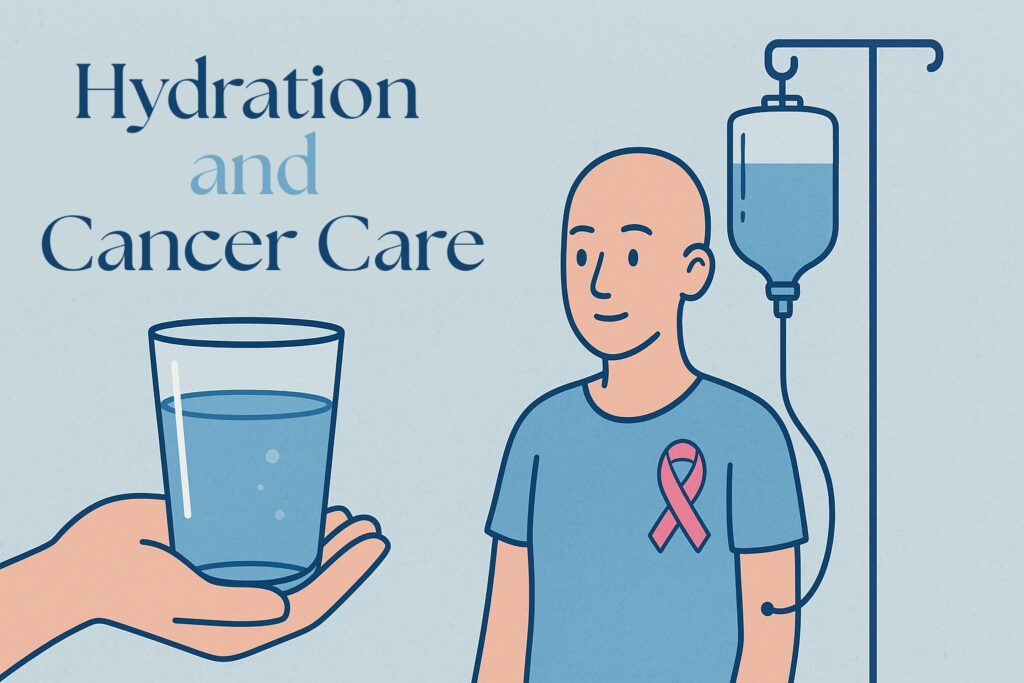
Hydration and Cancer Care
Water plays a vital role in flushing toxins, supporting digestion, and maintaining energy. Aim for 8–10 cups of water per day, but hydration can also come from herbal teas, soups, and water-rich fruits like watermelon and cucumbers.
Avoid sugary drinks and sodas, which can increase inflammation.
The Role of Nutrition in Different Cancer Treatments
During Chemotherapy
- Focus on soft, easy-to-digest foods (soups, smoothies, oatmeal).
- Eat small, frequent meals to fight nausea.
- Ginger tea or peppermint tea helps with nausea.
During Radiation
- Stay hydrated to reduce dryness.
- Include high-antioxidant foods to support cell repair.
Post-Surgery
- Protein-rich foods help tissue healing.
- Fiber supports digestion after anesthesia.
Lifestyle Factors Beyond Diet
While diet is central, cancer prevention and recovery also depend on:
- Exercise: Even light activity boosts immunity and reduces fatigue.
- Sleep: Rest helps repair cells and fight inflammation.
- Stress Management: Meditation, prayer, and deep breathing reduce stress hormones that may fuel cancer.
- Avoiding Tobacco: Smoking is a major cancer risk factor.
Conclusion: Eating with Purpose
Fighting cancer through nutrition is about making intentional, daily choices that support your body’s healing journey. By focusing on whole, plant-rich, nutrient-dense foods and avoiding processed, sugary, and inflammatory ingredients, you can strengthen your immune system, reduce treatment side effects, and improve overall well-being.
Food is more than fuel—it is medicine. Every bite can bring you closer to healing, resilience, and hope.