Introduction
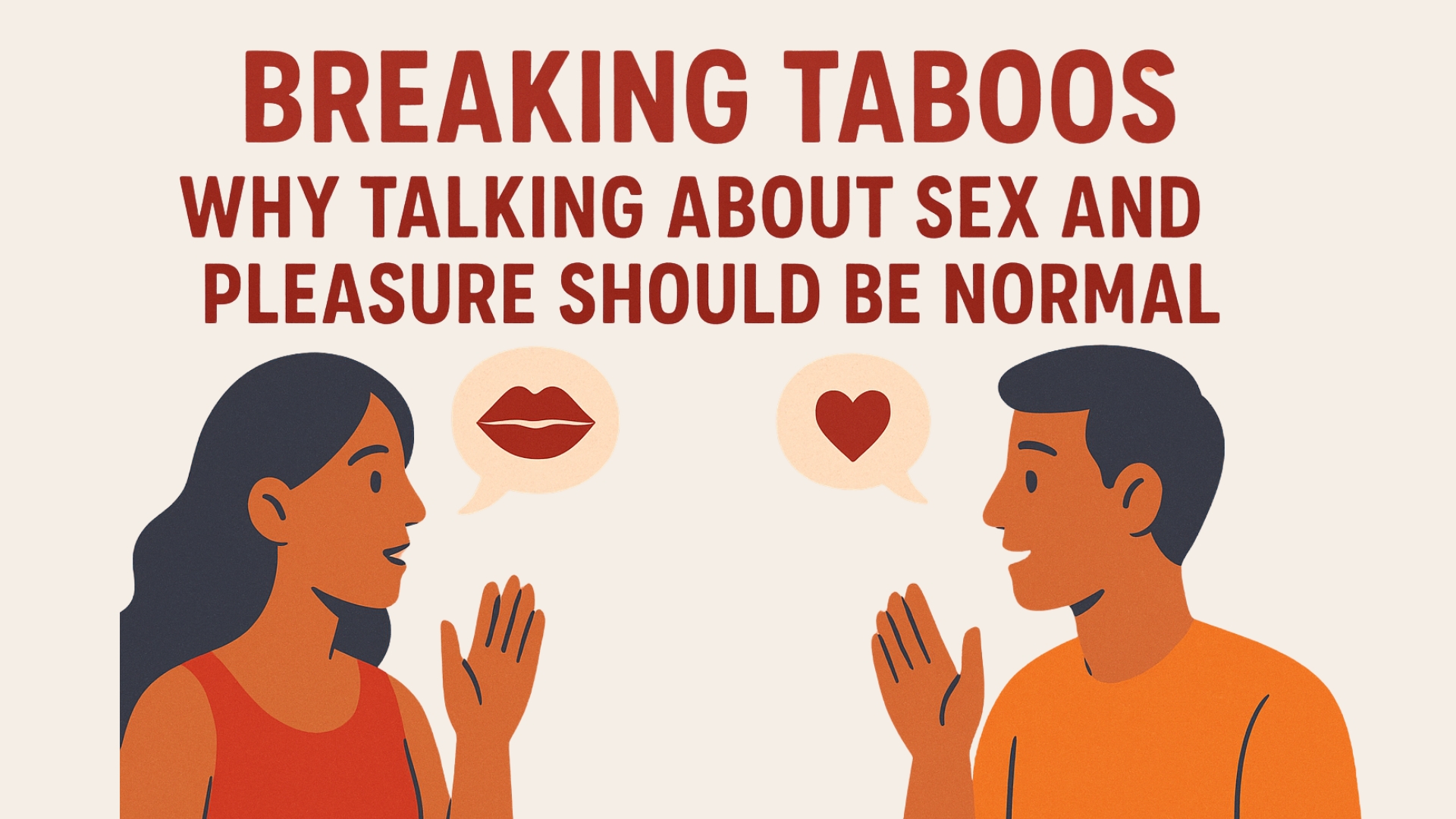
For centuries, sex has been shrouded in secrecy, shame, and taboo. Conversations about intimacy, desire, and pleasure were often silenced in homes, censored in schools, and hidden away in public discourse. Even in the modern era—despite significant advancements in technology, medicine, and social awareness—sex remains one of the least openly discussed yet most universally experienced aspects of human life.
The truth is simple: sex is not only a natural biological function but also a profound source of human connection, identity, and joy. Talking about sex and pleasure should be as normal as discussing health, nutrition, or relationships. When we avoid open dialogue, we perpetuate misinformation, harmful stereotypes, and stigma. But when we normalize these conversations, we empower individuals to take control of their bodies, their relationships, and their well-being.
In this blog, we’ll explore why talking about sex and pleasure is essential, the historical and cultural taboos that shaped our silence, the consequences of keeping conversations hidden, and practical steps we can take to normalize open, honest, and healthy dialogue around intimacy.
Part 1: The Historical and Cultural Roots of Sexual Taboos
1.1 Religion and Morality
Much of society’s discomfort with discussing sex stems from religious and moral frameworks that, for centuries, painted sex as sinful, shameful, or solely for reproduction. Many faith traditions emphasized chastity, modesty, and abstinence while avoiding discussions about sexual health or pleasure. Over time, these views seeped into laws, education systems, and social norms.
1.2 Patriarchy and Control
Historically, sexual knowledge was often withheld, especially from women, as a means of control. By denying women the language and education to understand their own bodies and desires, patriarchal systems reinforced power imbalances. Pleasure—particularly female pleasure—was erased from public consciousness, while male sexuality was normalized and often celebrated.
1.3 Colonization and Cultural Silencing
In many indigenous cultures, sexuality and pleasure were celebrated openly before colonization. The arrival of Western colonizers often imposed rigid moral codes and silenced traditions that honored sexual expression. This not only erased cultural practices but also replaced them with shame-based narratives.
Part 2: Why Silence About Sex is Harmful
2.1 Misinformation and Myths
When sex is taboo, people turn to unreliable sources—porn, gossip, or misinformation online. This perpetuates myths such as “pleasure is only for men,” “sex is dirty,” or “talking about sex encourages promiscuity.”
2.2 Lack of Sexual Education
In many countries, sex education in schools is still minimal, abstinence-only, or entirely absent. Without comprehensive sex education, young people grow up without understanding consent, safe sex practices, or the diversity of sexual experiences.
2.3 Shame and Guilt
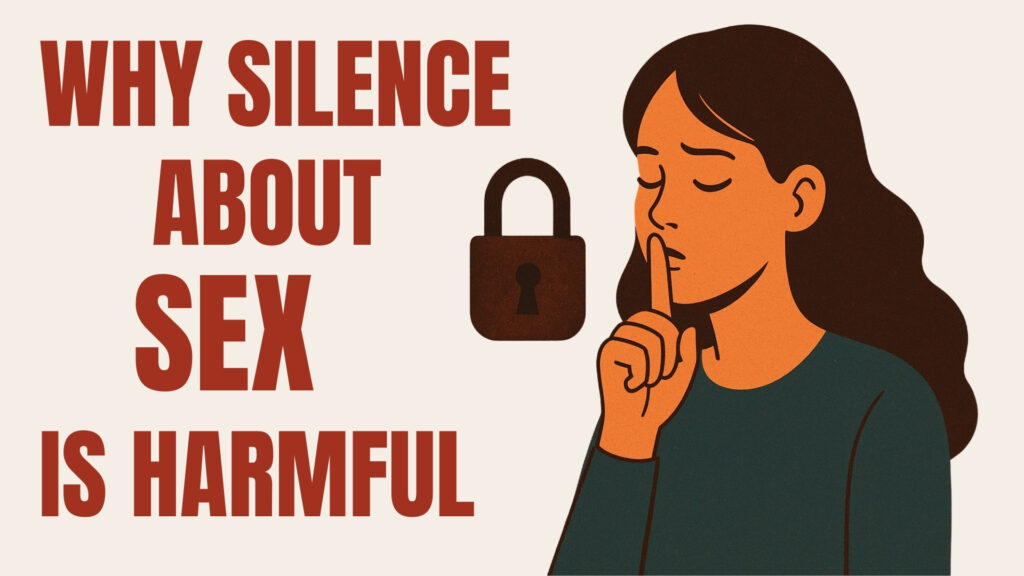
Silence breeds shame. People often internalize the idea that their desires are abnormal or wrong. This can create lifelong struggles with self-esteem, intimacy, and mental health.
2.4 Unsafe Relationships
When people cannot talk openly about sex, they struggle to set boundaries, express consent, or address discomfort. This increases the risk of unhealthy, even abusive, relationships.
2.5 Neglected Sexual Health
Avoiding conversations about sex also means avoiding discussions about reproductive health, STI prevention, and routine checkups. This can lead to higher rates of undiagnosed conditions, unplanned pregnancies, and untreated infections.
Part 3: Why Talking About Sex and Pleasure Should Be Normal
3.1 Pleasure is a Basic Human Right
Sexual pleasure is not a luxury—it’s a part of human well-being. The World Health Organization recognizes sexual health as essential to overall health. Normalizing conversations about pleasure helps individuals embrace joy without guilt.
3.2 Promotes Healthy Relationships
Open communication strengthens trust between partners. Couples who discuss their desires and boundaries often report higher levels of intimacy, satisfaction, and connection.
3.3 Encourages Consent Culture
When people are comfortable talking about sex, they’re more likely to communicate clearly about consent. This creates safer environments where everyone’s boundaries are respected.
3.4 Fosters Body Positivity
Talking about pleasure helps dismantle unrealistic beauty standards and body shame. It reminds people that sexual satisfaction is not tied to looking a certain way but to being present, authentic, and communicative.
3.5 Reduces Stigma and Discrimination
Open discussions about sex normalize diverse experiences—queer relationships, different gender identities, non-traditional dynamics—and reduce stigma around sexual orientation and preferences.
Part 4: The Role of Education in Normalizing Sex Conversations
4.1 Comprehensive Sex Education
Comprehensive sex education goes beyond anatomy and reproduction. It includes lessons on consent, healthy relationships, LGBTQ+ inclusion, pleasure, and communication. Countries with comprehensive sex education often report lower rates of teen pregnancy and STIs.
4.2 Teaching Pleasure Responsibly
Most sex education ignores pleasure, yet pleasure is central to why people engage in sex. Teaching that pleasure is normal (and achievable in safe, respectful ways) allows individuals to better understand their bodies and choices.
4.3 Empowering Parents and Guardians
Parents often feel unequipped to talk about sex, but children benefit when parents create a safe, judgment-free space. Resources and workshops can help parents break generational cycles of silence.
Part 5: Breaking Taboos in Everyday Life
5.1 Start with Language
Using correct terms for body parts, acknowledging desires, and asking questions openly helps dismantle shame. Language is power—when we name things, we normalize them.
5.2 Representation in Media
Films, TV, and social media play a powerful role. Diverse, accurate, and respectful portrayals of sex and intimacy can change cultural perceptions. Representation matters not only for heterosexual couples but also for LGBTQ+, disabled, and older individuals.
5.3 Public Health Campaigns
Campaigns that normalize conversations about sexual health and pleasure—without moralizing—can empower communities to seek care, use protection, and embrace self-love.
5.4 Community Conversations
Workshops, podcasts, and support groups provide safe spaces to discuss intimacy. By taking these conversations offline and into communities, we build collective comfort.
5.5 Personal Relationships
Change begins at home. Couples, friends, and families can commit to more openness. Even small conversations—like asking a partner what they enjoy—help break down taboos.
Part 6: The Intersection of Sex, Pleasure, and Identity
6.1 Women’s Sexuality
For centuries, women’s sexual pleasure was erased. Normalizing conversations about female pleasure reclaims agency and challenges double standards.
6.2 LGBTQ+ Perspectives
Queer communities have long faced silencing and stigmatization. Talking openly about sex and pleasure validates diverse identities and fights against discrimination.
6.3 Men and Vulnerability
Men are often pressured to perform rather than feel. Open conversations allow men to embrace vulnerability, pleasure beyond performance, and healthier expressions of sexuality.
6.4 Disability and Sexuality
Disabled people are often desexualized or excluded from discussions about pleasure. Breaking taboos includes affirming that everyone deserves access to intimacy and joy.
6.5 Aging and Sexuality
Older adults are rarely included in sexual discourse, yet intimacy remains important at every age. Talking openly helps dismantle stereotypes and affirms lifelong sexual well-being.
Part 7: Challenges in Normalizing Sex Conversations
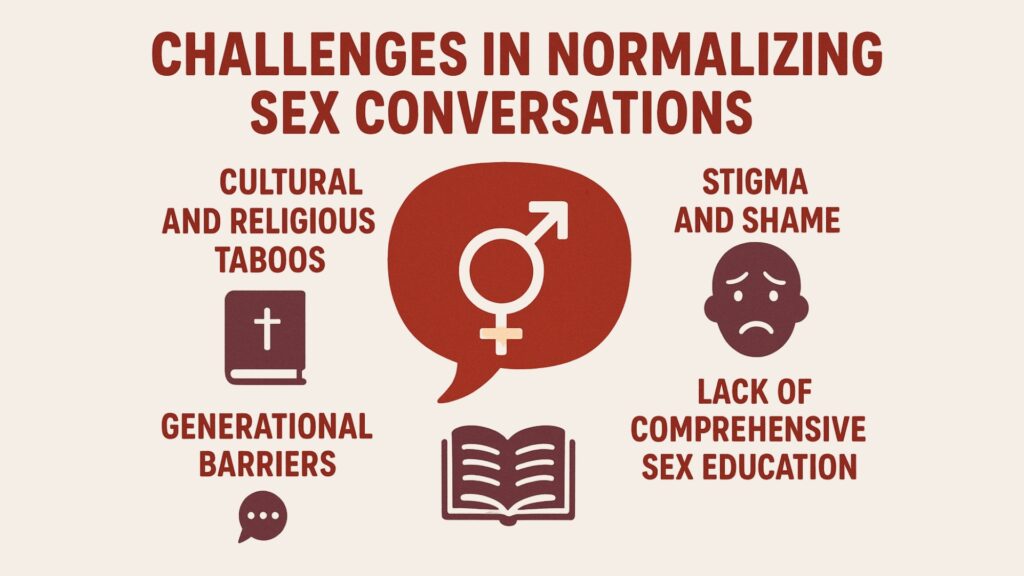
7.1 Cultural Resistance
In conservative societies, any attempt to normalize sex talk can face backlash. Community leaders, educators, and activists often risk stigma or censorship.
7.2 Online Exploitation
While the internet creates space for dialogue, it also spreads harmful content and misinformation. Distinguishing between healthy education and harmful exploitation remains a challenge.
7.3 Intersection with Trauma
For survivors of sexual violence, conversations about sex can be triggering. Sensitivity and trauma-informed approaches are necessary in education and dialogue.
Part 8: Steps Toward a Sex-Positive Future
- Normalize Curiosity – Encourage questions without shame.
- Advocate for Comprehensive Sex Education – Push for policies that prioritize holistic sexual education.
- Create Safe Spaces – Schools, clinics, and communities should foster judgment-free zones.
- Use Media for Change – Support creators who portray sex realistically and respectfully.
- Empower Individuals – Encourage people to explore their bodies and desires without fear.
- Challenge Stigma – Speak out against shaming language and attitudes.
- Promote Inclusivity – Ensure all genders, orientations, and abilities are included in the conversation.
Conclusion
Breaking taboos around sex and pleasure is not about encouraging recklessness or promiscuity—it’s about fostering respect, safety, and well-being. Sex is one of the most fundamental aspects of human life, yet it remains buried under layers of shame and silence. By bringing it into the open, we give ourselves the freedom to live authentically, love fully, and experience pleasure without guilt.
The journey to normalizing these conversations requires courage, education, and compassion. It means challenging centuries of silence, dismantling oppressive systems, and creating a culture where every person—regardless of gender, orientation, age, or ability—can embrace their sexuality as a natural and joyful part of life.
Talking about sex and pleasure should be as normal as talking about food, sleep, or exercise. After all, it’s not just about reproduction—it’s about connection, identity, and happiness. The sooner we break the silence, the closer we get to a world where intimacy is celebrated, not censored.