
Cancer is not just a medical condition—it’s a life-altering experience that touches the mind, body, and spirit. When someone receives a diagnosis, especially of a gynecologic cancer like uterine or ovarian cancer, the immediate response often includes fear, anxiety, and uncertainty about the future. While doctors, medicine, and science play an undeniable role in treatment and survival, countless patients and families turn to prayer and spiritual support as a source of strength, comfort, and resilience.
Faith-based cancer support is becoming more widely recognized in both medical and community settings. This holistic approach acknowledges that healing isn’t just physical—it also involves emotional balance, spiritual grounding, and mental clarity. Many people find that when medicine addresses the body, prayer addresses the heart and soul, creating a more complete path toward wellness.
In this blog, we’ll take a deep dive into how prayer and spiritual support positively influence cancer treatment, share real-life stories, highlight the importance of gynecologic cancer awareness, and explore how organizations like Forever Live Young Entertainment (FLY Entertainment) contribute to awareness and community empowerment.
The Emotional Rollercoaster of Cancer Diagnosis
When someone hears the words “you have cancer,” the world can feel like it’s collapsing. The diagnosis often brings emotional turbulence—fear of death, worry about treatment side effects, financial burdens, and the uncertainty of the future. For women, especially those facing gynecologic cancers, the diagnosis can also strike at the core of identity, femininity, and family planning.
Medical treatment is critical, but the emotional and spiritual weight of this journey can’t be underestimated. That’s where prayer and spiritual support step in. Patients report that prayer helps ease anxiety, brings inner calm, and gives them a sense of purpose and hope even during the darkest days.
Why Prayer Matters in Cancer Care
Prayer is deeply personal. For some, it’s talking to God. For others, it’s meditative reflection or connecting with a higher power. Regardless of form, prayer provides a safe space for surrender, release, and renewal.
1. A Source of Hope
Cancer treatment can be long and exhausting. Chemotherapy, radiation, and surgeries often leave patients drained physically and emotionally. Prayer helps renew hope when energy is low. It reinforces the belief that healing is possible—even when circumstances look grim.
2. Strength in Community
Praying in a group or being supported by a faith community fosters belonging. Many churches and community centers organize prayer groups, cancer vigils, or healing services. For patients, this collective energy becomes a powerful reminder that they are not alone.
3. Emotional Release
Bottling up emotions can harm mental health. Prayer gives patients and caregivers permission to cry, grieve, vent frustrations, and ask for strength. It’s a healthy outlet for emotions that often feel overwhelming.
4. Mind-Body Connection
Studies show that prayer and meditation can lower blood pressure, reduce stress hormones, and improve immune response. While prayer itself doesn’t replace treatment, it complements it by keeping the mind and body in better balance.
Faith-Based Cancer Support: Beyond the Clinic
Faith-based cancer support goes beyond Sunday sermons. It’s about creating structures of care that integrate spiritual healing with medical treatment.
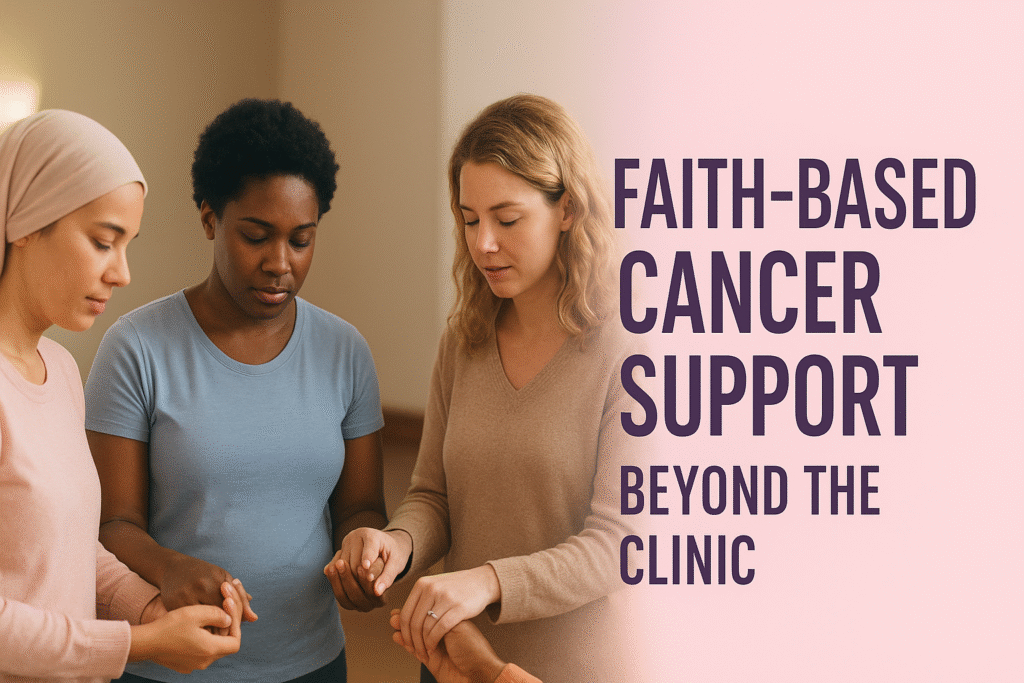
This includes:
- Support groups within churches where patients can share stories and pray together.
- Hospital chaplain services that provide bedside prayer, counseling, and spiritual guidance.
- Community health events that blend faith with education, teaching women about early detection, screenings, and the importance of spreading gynecologic cancer awareness.
- Family support programs that guide caregivers spiritually while they stand by their loved one.
Faith-based cancer support reminds patients and families that healing isn’t a solo battle—it’s a shared journey filled with love, prayer, and resilience.
Stories of Strength: How Prayer Transformed Journeys
Every story is different, but one common thread among survivors is how prayer helped them endure.
- A uterine cancer survivor in North Carolina shared that daily prayer circles with her church family gave her strength when she was too weak to get out of bed. She said, “The chemo attacked my body, but prayer healed my spirit.”
- An ovarian cancer patient in New York recalled how prayer before each treatment session calmed her nerves. She would repeat affirmations like “God is with me” and “This medicine will work for my good.”
- A caregiver’s perspective: One woman whose mother battled endometrial cancer admitted she often felt helpless. But attending prayer services gave her strength to keep going. She realized that her spiritual strength directly impacted her ability to care for her mother.
These stories highlight how prayer and spiritual support become lifelines—not substitutes for treatment, but vital companions in the healing journey.
Gynecologic Cancer Awareness and the Role of Faith
One of the most powerful impacts of combining faith with healthcare is in raising awareness. Too often, women ignore symptoms like abnormal bleeding, pelvic pain, or bloating because they assume it’s “normal.” By the time they seek medical care, the cancer may already be advanced.
Churches, faith-based organizations, and cultural movements have a unique power to reach women where they are. Sermons, women’s fellowships, and health fairs hosted in community centers often provide life-saving education.
By weaving messages of gynecologic cancer awareness into faith-based events, leaders ensure women not only learn about symptoms and prevention but also feel spiritually supported in taking proactive steps.
The Healing Power of Music and Community: FLY Entertainment
Spiritual support isn’t just about prayer—it’s also about creating uplifting environments where patients can feel inspired. This is where Forever Live Young Entertainment (FLY Entertainment) plays a meaningful role.
FLY Entertainment is more than just an entertainment platform. It has been committed to creating positive spaces for storytelling, music, and cultural expression. For women battling cancer, especially those engaged in faith-based cancer support communities, music and artistic performances provide moments of joy amid hardship.
Music therapy, gospel performances, and uplifting cultural events hosted or supported by platforms like FLY Entertainment remind patients that healing also involves laughter, joy, and creativity. These experiences nurture the spirit and remind survivors and caregivers alike that life is worth celebrating—even during treatment.
The Intersection of Medicine, Faith, and Community
It’s important to clarify that prayer and spiritual support are not replacements for treatment. Cancer is a disease that requires medical intervention. However, when combined with medical care, prayer and faith offer a holistic framework that strengthens the will to fight.
Oncologists, nurses, and healthcare workers increasingly recognize the importance of spiritual well-being. Many hospitals now include chaplaincy services, meditation rooms, or partnerships with community leaders to address these needs.
Faith and science can—and should—work together. When prayer uplifts the heart and medicine heals the body, patients stand on stronger ground.
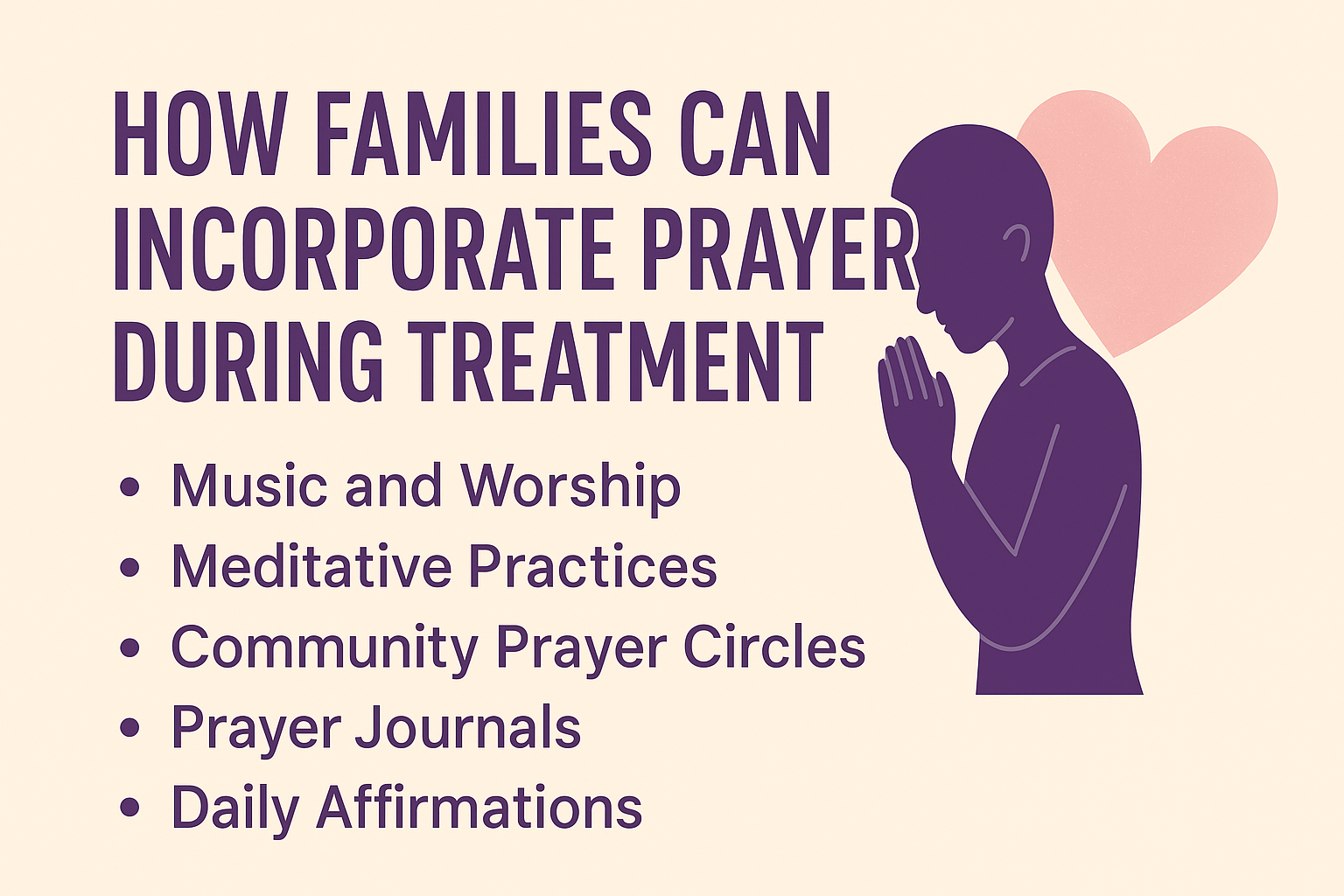
How Families Can Incorporate Prayer During Treatment
If you’re supporting a loved one through cancer, here are ways to include prayer and spiritual practices:
- Daily Affirmations – Start each day with a prayer for strength, healing, and peace.
- Prayer Journals – Encourage patients to write prayers, scriptures, or affirmations that bring comfort.
- Community Prayer Circles – Join church or community-led groups that pray specifically for cancer patients.
- Meditative Practices – Combine prayer with breathing exercises to reduce stress before treatment sessions.
- Music and Worship – Use gospel music, hymns, or uplifting playlists from groups like FLY Entertainment to create positive energy at home or in the hospital.
Overcoming Stigma: Talking About Cancer in Faith Communities
In some communities, cancer is still whispered about in secrecy. Women may feel shame or fear in sharing their diagnosis. Spiritual support groups have the power to break this stigma by creating open, compassionate conversations.
Pastors, community leaders, and organizations can normalize these discussions by weaving health messages into sermons, Bible studies, and women’s ministries. Faith-based cancer support ensures that silence does not cost lives.
Looking Ahead: Building a Culture of Prayer and Awareness
The future of cancer care is holistic. Hospitals and communities are beginning to recognize that addressing spiritual needs improves recovery outcomes. The more faith-based cancer support programs expand, the more lives can be touched—not just in terms of survival, but in the quality of the journey itself.
Organizations like FLY Entertainment play an unexpected yet powerful role in amplifying these messages through music, culture, and storytelling. By combining awareness, creativity, and spirituality, we create a cultural shift that inspires women to prioritize their health and lean on their faith.
Final Thoughts
Cancer is a battle no one wants to fight—but with faith, prayer, and community support, no one has to fight it alone. Prayer brings peace when fear is overwhelming, offers hope when the future is uncertain, and strengthens bonds between patients, families, and communities.
Whether through personal reflection, group prayer, or uplifting platforms like Forever Live Young Entertainment (FLY Entertainment), spiritual support is a lifeline that sustains the spirit while medicine heals the body.
By continuing to spread gynecologic cancer awareness through faith-based initiatives, we can ensure women receive both the care and the spiritual empowerment they need. Together, medicine, prayer, and community can create a future where healing is not only physical but also deeply spiritual.