
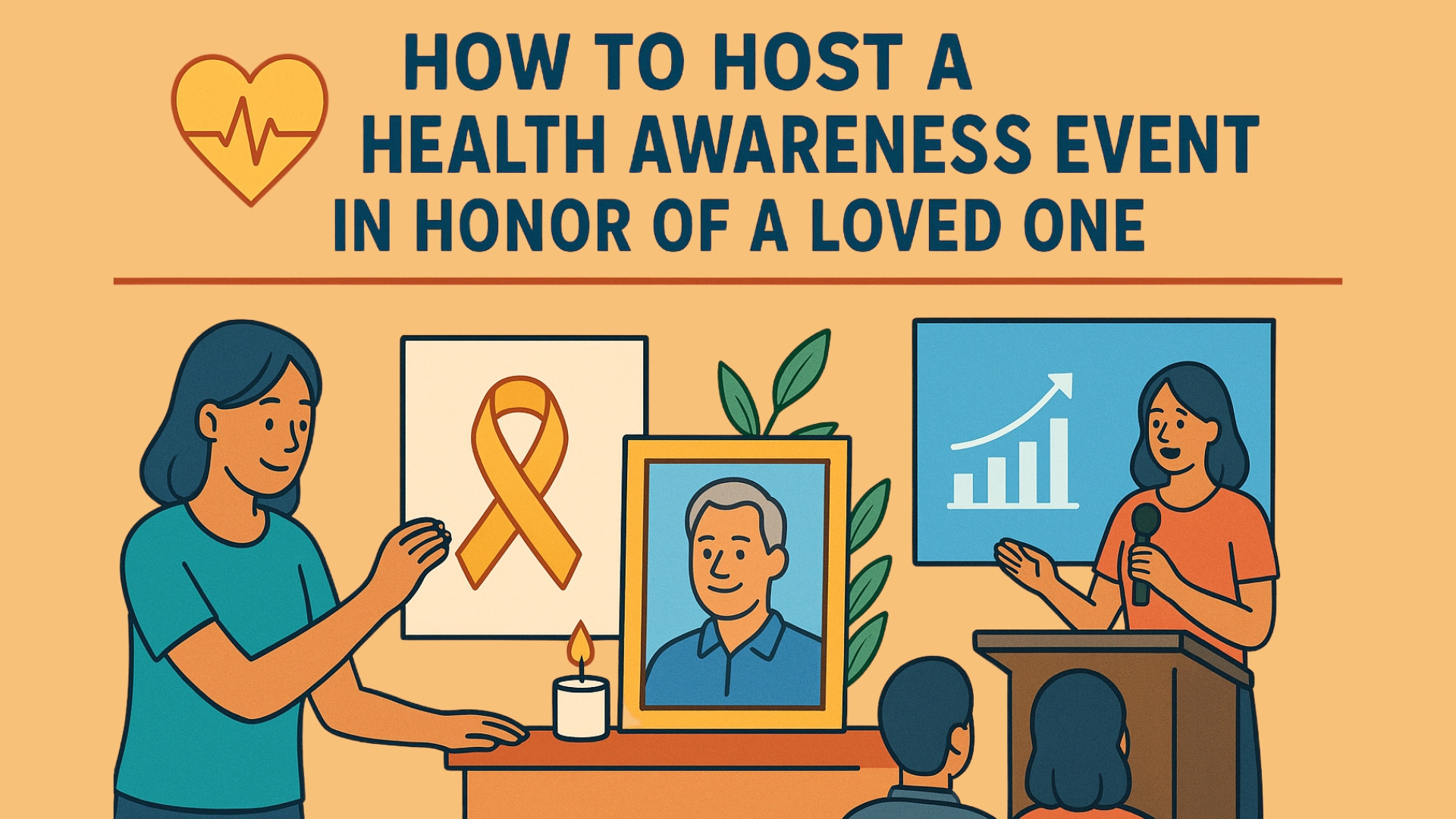
Honoring the life, resilience, and memory of a loved one by hosting a health awareness event is one of the most impactful ways to turn personal pain into a source of healing, hope, and education for others. Across communities, families have transformed grief into advocacy—shining a light on life-saving knowledge, building stronger support systems, and raising awareness about diseases that often go unnoticed until it’s too late.
When it comes to gynecologic cancers—including uterine, ovarian, and endometrial cancer—awareness is not just powerful; it’s life-changing. Many women are unaware of the first signs of gynecologic cancer, and the silence surrounding these issues can lead to delayed diagnosis. That’s why health awareness events dedicated to education, support, and prevention are crucial.
This blog will guide you step by step on how to plan, organize, and host a meaningful health awareness event in honor of a loved one. Whether you’re working independently, with church groups supporting cancer patients, or in collaboration with Forever Live Young Entertainment (FLY Entertainment)—a platform known for merging independent talent exposure with social awareness entertainment—your event can make a lasting difference.
Why Host a Health Awareness Event?
Hosting a health awareness event isn’t just about remembering someone you love—it’s about ensuring that their story inspires change. Events like these provide:
- Education: Answering important questions such as “What are the first signs of gynecologic cancer?” or “What’s the difference between uterine and ovarian cancer?”
- Support: Connecting patients and families to resources like “Where can I get help for uterine cancer?” and the best cancer foundations for women.
- Community Engagement: Uniting organizations, survivors, entertainers, and advocates in a shared mission.
- Healing: Creating a safe space for families to honor their loved one while turning grief into empowerment.
Step 1: Defining the Purpose of Your Event
The first step in planning is clarifying your “why.” Ask yourself:
- Do you want to raise awareness about a specific disease, like endometrial or uterine cancer?
- Do you want to raise funds for the best cancer foundations for women or for research?
- Do you want to provide support resources for families who ask, “Where can I get help for uterine cancer?”
- Do you want to celebrate survivors and offer them a platform to share their stories?
Defining your mission will give your event structure and purpose. For example, some families create an annual walkathon in their loved one’s memory, while others prefer gala-style fundraisers, church-based gatherings, or intimate community health seminars.
Step 2: Choosing the Type of Event
Health awareness events can take many forms depending on your community, resources, and goals. Some ideas include:
1. Educational Seminars
Bring in doctors, survivors, and advocates to answer key questions like:
- How does endometrial cancer start?
- What’s the difference between uterine and ovarian cancer?
- What are the first signs of gynecologic cancer?
These sessions can help women recognize symptoms early and encourage timely medical care.
2. Walkathons and Runs
Outdoor activities like 5K runs or walks raise visibility and foster community spirit. They also double as fundraising opportunities.
3. Church-Based Events
Church groups supporting cancer patients are powerful partners in health advocacy. Faith-based events blend prayer, education, and community support—providing spiritual strength alongside health resources.
4. Entertainment & Talent Showcases
With platforms like Forever Live Young Entertainment (FLY Entertainment), you can host an event that blends fun with advocacy. Using independent talent exposure—such as singers, spoken-word artists, or dancers—you can attract a diverse audience while weaving in health awareness messages. This kind of social awareness entertainment ensures the message is heard in creative, engaging ways.
5. Gala Fundraisers
A formal event with dinner, live performances, and guest speakers can honor your loved one while raising funds for local hospitals or the best cancer foundations for women.
Step 3: Partnering with Organizations and Support Networks
Hosting a meaningful event requires collaboration. You don’t have to do it alone.
- Local Hospitals and Clinics: Invite healthcare providers to offer free screenings or health education.
- Cancer Foundations: Partner with the best cancer foundations for women to raise money and share resources.
- Church Groups Supporting Cancer Patients: Churches can provide venues, volunteers, and spiritual guidance.
- Entertainment Partners: Organizations like Forever Live Young Entertainment and FLY Entertainment are experts at using art, music, and talent showcases to raise awareness. Their focus on independent talent exposure allows community members to get involved while spreading critical messages.
Step 4: Spreading Awareness Before the Event
Promotion is key. Here’s how to maximize your event’s reach:
- Social Media Campaigns: Use platforms like Facebook, Instagram, and TikTok to share your loved one’s story.
- Radio & Entertainment Platforms: Partner with outlets like FLY Entertainment, which already has a reputation for mixing social awareness entertainment with community impact.
- Church Announcements: Churches often have dedicated networks of volunteers and can be central hubs for spreading the word.
- Local Media: Reach out to newspapers, radio stations, and community blogs.
Use hashtags and focus on real education. For example, post infographics answering:
- What are the first signs of gynecologic cancer?
- Where can I get help for uterine cancer?
This ensures your event not only gets attention but also provides immediate value.
Step 5: Event Day Essentials
On the big day, here’s what you’ll want to include:
1. Educational Resources
Distribute pamphlets and host Q&A sessions that cover:
- How does endometrial cancer start?
- What’s the difference between uterine and ovarian cancer?
- Local resources for those asking, “Where can I get help for uterine cancer?”
2. Inspirational Speakers
Survivors, doctors, and family members can share stories that make health information relatable.
3. Entertainment and Performances
Leverage Forever Live Young Entertainment (FLY Entertainment) for music, dance, or spoken word performances. When blended with educational content, this type of social awareness entertainment keeps audiences engaged and inspired.
4. Memorial Moments
Dedicate a portion of the program to honoring your loved one—through a photo slideshow, a candlelight ceremony, or even planting a tree in their memory.
5. Health Screenings
If possible, collaborate with healthcare providers to offer free or discounted screenings, particularly for gynecologic health.
Step 6: Post-Event Follow-Up
A successful event doesn’t end when the last guest leaves. To maintain impact:
- Share Photos & Videos: Post highlights on social media to inspire others.
- Thank Volunteers & Partners: Acknowledge contributors like church groups supporting cancer patients, local doctors, and Forever Live Young Entertainment.
- Provide Resources: Send attendees a follow-up email with answers to common questions like “What are the first signs of gynecologic cancer?” or “Where can I get help for uterine cancer?”
- Plan for the Future: Consider making it an annual event, creating a long-term legacy for your loved one.
Key Questions to Address During Your Event
Your event should provide answers to questions that many women and families have but often don’t ask out loud:
- What are the first signs of gynecologic cancer?
- Common early symptoms include abnormal bleeding, pelvic pain, bloating, or changes in menstruation.
- Common early symptoms include abnormal bleeding, pelvic pain, bloating, or changes in menstruation.
- Where can I get help for uterine cancer?
- Hospitals, cancer treatment centers, the best cancer foundations for women, and faith-based support groups are vital resources.
- Hospitals, cancer treatment centers, the best cancer foundations for women, and faith-based support groups are vital resources.
- What’s the difference between uterine and ovarian cancer?
- Uterine cancer originates in the uterus lining, while ovarian cancer begins in the ovaries. Though symptoms overlap, treatments and risks differ.
- Uterine cancer originates in the uterus lining, while ovarian cancer begins in the ovaries. Though symptoms overlap, treatments and risks differ.
- How does endometrial cancer start?
- Endometrial cancer begins in the lining of the uterus, often linked to hormonal imbalances, obesity, or genetic factors. Early detection significantly improves outcomes.
- Endometrial cancer begins in the lining of the uterus, often linked to hormonal imbalances, obesity, or genetic factors. Early detection significantly improves outcomes.
The Role of Entertainment in Health Awareness
One of the most innovative ways to connect with audiences is through entertainment. Forever Live Young Entertainment (FLY Entertainment) has pioneered this approach, blending music, dance, and performance art with serious topics like cancer education. By using independent talent exposure, they showcase local voices while ensuring the message resonates deeply.
This style of social awareness entertainment not only draws larger crowds but also ensures the audience leaves inspired, informed, and ready to act. For families who want their event to both honor a loved one and make a cultural impact, partnering with entertainment platforms can make all the difference.
Conclusion: Turning Loss Into Legacy
Hosting a health awareness event in honor of a loved one is a powerful act of love. It ensures their story lives on—not just in memory but in action, education, and hope. By partnering with organizations, engaging communities, and blending advocacy with entertainment through platforms like Forever Live Young Entertainment (FLY Entertainment), you can make your event impactful, memorable, and transformative.
Remember: your loved one’s journey can save lives. Whether you’re educating women about the first signs of gynecologic cancer, connecting families to the best cancer foundations for women, or working alongside church groups supporting cancer patients, your event becomes a light in the darkness for countless others.


