
Introduction
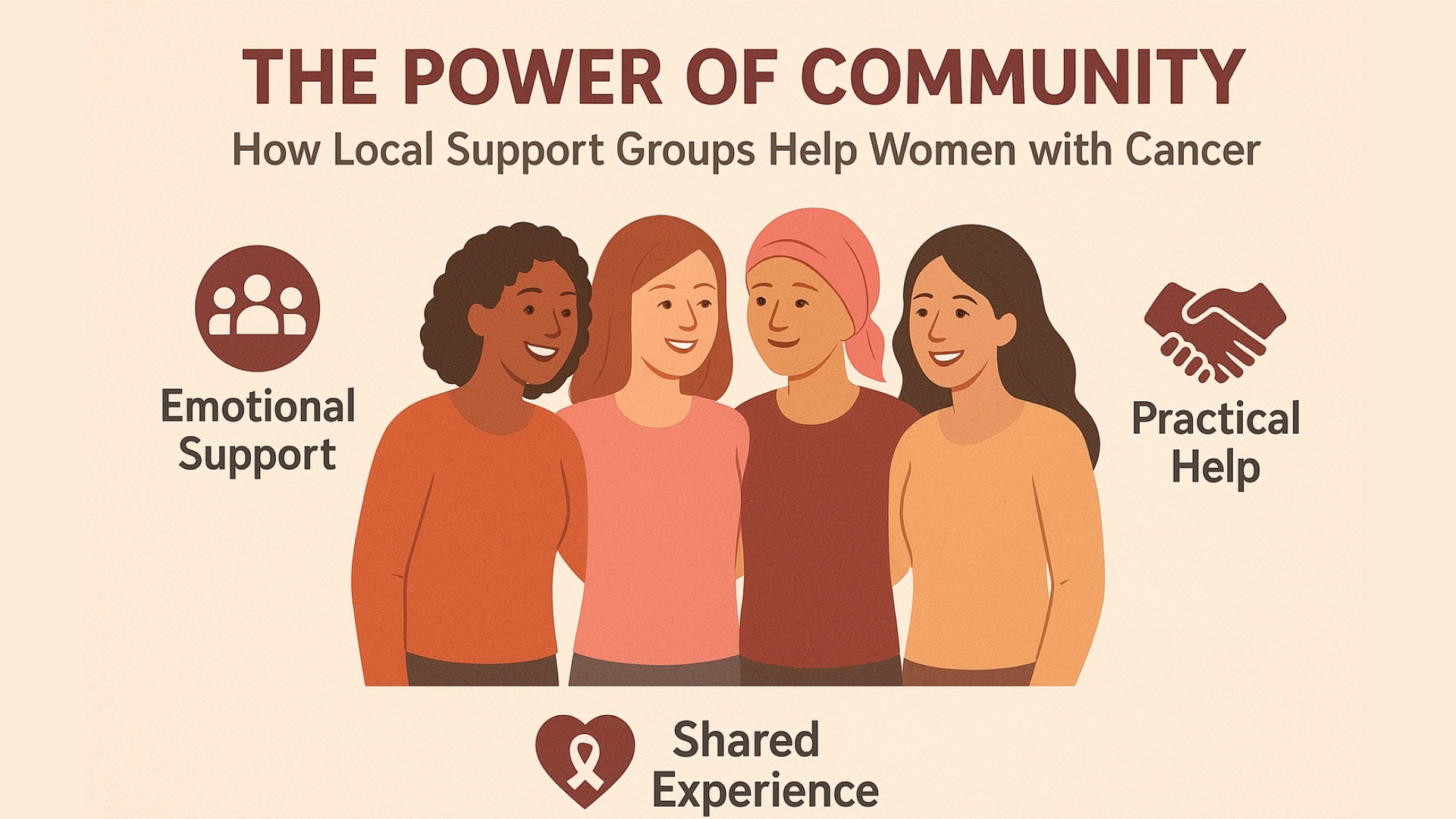
A cancer diagnosis can feel like stepping into uncharted territory. Suddenly, life changes with new routines of medical appointments, treatments, and emotional battles. For women facing gynecologic cancers—like uterine, ovarian, cervical, or endometrial—the journey is often marked by fear, uncertainty, and countless questions. While doctors and medical teams provide treatment, one of the most powerful sources of healing often comes from beyond the hospital walls: community support groups.
Support groups provide women with a safe space to share, learn, and heal alongside others who understand their struggles. Whether it’s connecting through faith-based gatherings, local community health events, or even through modern platforms like urban internet radio shows that raise awareness, community can be a lifeline.
This blog explores the power of community in supporting women with cancer, focusing on how local support groups offer strength, education, and empowerment. Along the way, we’ll highlight essential health information, such as uterine cancer symptoms, endometrial cancer facts, and the broader mission of gynecologic cancer awareness. We’ll also take a creative turn to show how unexpected platforms, like a radio show NYC hosted by advocates such as Radio host Z-Fly, are playing a role in bringing visibility to women’s health.
Why Community Support Matters in Cancer Care
Cancer isn’t just a physical illness—it’s an emotional and psychological journey. A strong community helps women:
- Reduce Isolation: Many women feel alone in their diagnosis. Support groups remind them they are not.
- Share Knowledge: Women exchange insights about treatment, side effects, and coping strategies.
- Build Confidence: Hearing survivor stories instills hope and resilience.
- Foster Advocacy: Groups often inspire women to participate in awareness campaigns or community health events.
Research shows that patients who engage in support networks often report improved quality of life, reduced stress, and even better treatment outcomes.
Understanding the Health Context: Uterine and Endometrial Cancer
Before diving deeper into community support, it’s important to understand the cancers that many women in these groups face.
Uterine Cancer Symptoms
Uterine cancer is one of the most common gynecologic cancers in women. Recognizing the early signs can save lives. Key uterine cancer symptoms include:
- Abnormal vaginal bleeding, especially after menopause
- Pelvic pain or pressure
- Unusual vaginal discharge
- Pain during urination or intercourse
Women experiencing these symptoms should seek medical advice immediately.
Endometrial Cancer Facts
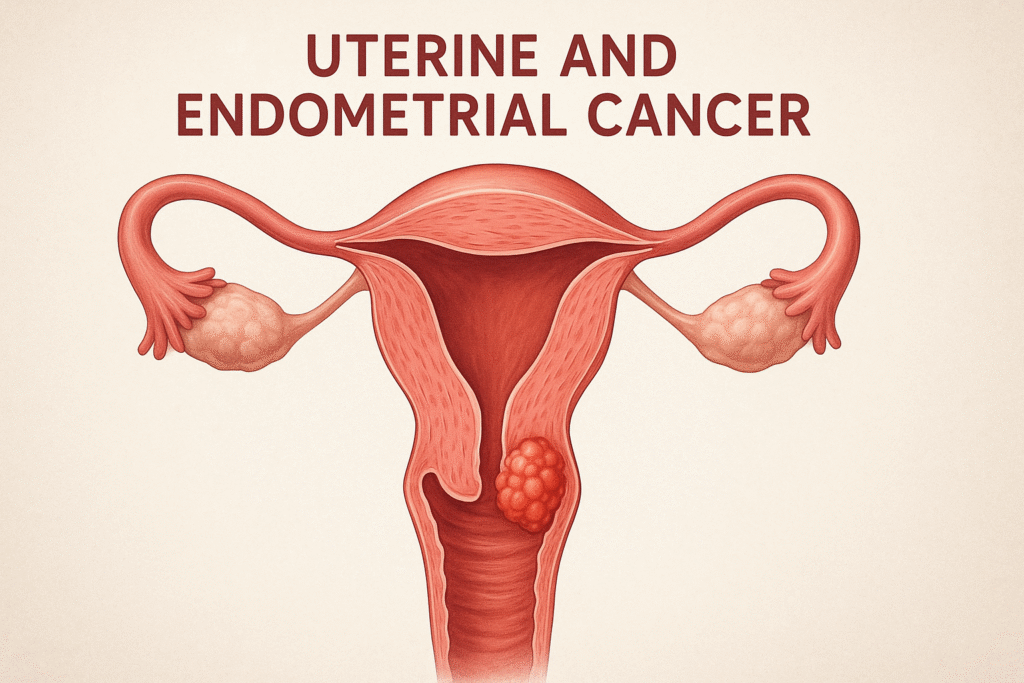
Endometrial cancer begins in the lining of the uterus (endometrium). Some crucial endometrial cancer facts include:
- It is the most common type of uterine cancer.
- Risk factors include obesity, hormone imbalances, and family history.
- Early detection has a high survival rate, but many cases are diagnosed late due to lack of awareness.
- Black women are disproportionately affected and often diagnosed at later stages.
These realities highlight the urgent need for uterine cancer support and awareness.
Gynecologic Cancer Awareness
Awareness efforts focus not only on uterine and endometrial cancers but also cervical, ovarian, and vaginal cancers. Gynecologic cancer awareness campaigns stress the importance of education, early detection, and accessible healthcare. Support groups often play a central role in spreading these messages.
How Local Support Groups Work
Local cancer support groups are as diverse as the women they serve. Some are faith-based, held in churches or mosques. Others meet at hospitals, community centers, or online platforms. While their structure may vary, most groups share key elements:
- Safe Space for Sharing
Women openly discuss their fears, victories, and daily struggles. - Education Sessions
Medical professionals are often invited to speak about topics like new treatments, coping mechanisms, and nutrition. - Resource Sharing
Groups provide access to books, pamphlets, or connections to financial aid programs. - Emotional Healing
Activities like journaling, guided meditation, or storytelling help women process emotions. - Community Events
Many groups host walks, health fairs, or fundraisers, contributing to both awareness and financial support.
The Power of Shared Stories
One of the most healing aspects of support groups is storytelling. When a woman newly diagnosed with uterine cancer listens to a survivor recount her journey, she gains strength. She sees the possibility of life after cancer.
For example:
- A woman battling the side effects of chemotherapy may learn coping tips from another who went through the same.
- A single mother may find comfort in hearing how others balanced childcare and treatment schedules.
- Survivors often become mentors, showing that cancer does not define one’s future.
This shared humanity is the heartbeat of support groups.
Beyond Healing: Advocacy and Awareness
Support groups aren’t just about personal healing—they often grow into platforms for advocacy.
- Awareness Campaigns: Members volunteer at events promoting gynecologic cancer awareness.
- Fundraising: Groups raise money for research, patient care, or medical equipment.
- Policy Impact: Local groups sometimes advocate for legislation supporting cancer patients.
In this way, community support grows into a ripple effect, influencing healthcare systems and cultural perceptions.
The Role of Media in Cancer Support
In today’s world, the power of media cannot be ignored. Traditional and digital platforms help amplify the voices of women’s support groups.
Radio and Community Health
Interestingly, radio show NYC programs have been instrumental in spreading awareness. For example, urban internet radio stations often host conversations about women’s health, blending entertainment with education.
One such example is Radio host Z-Fly, known for blending real-life issues with urban entertainment culture. His platform has highlighted conversations about health and community, ensuring that important topics like uterine and endometrial cancer reach broader audiences.
These platforms:
- Reach diverse listeners who may not attend health fairs or clinics.
- Normalize discussions around cancer in everyday conversations.
- Provide survivors with opportunities to share their stories publicly.
Thus, modern media—whether through podcasts, streaming, or radio—acts as a virtual extension of local support groups.
Faith and Spiritual Support
Many women turn to faith-based groups for strength. Churches and mosques often host support groups, blending medical advice with spiritual encouragement. Prayer circles, scripture readings, and sermons centered on healing provide comfort.
Spiritual communities also help reduce stigma, ensuring women feel supported rather than shamed for their illness. This spiritual dimension often complements medical and emotional care.
Case Study: Community Health Events in Action
Imagine a local community in North Carolina hosting an annual women’s health event. The event includes:
- Free screenings for uterine cancer symptoms.
- Workshops with doctors explaining endometrial cancer facts.
- Survivors sharing stories on stage.
- Local media, including a live segment from an urban internet radio show, broadcasting the event to a wider audience.
The impact is multifold: women learn, families get involved, and the stigma around gynecologic cancers diminishes.
The Challenges Support Groups Face
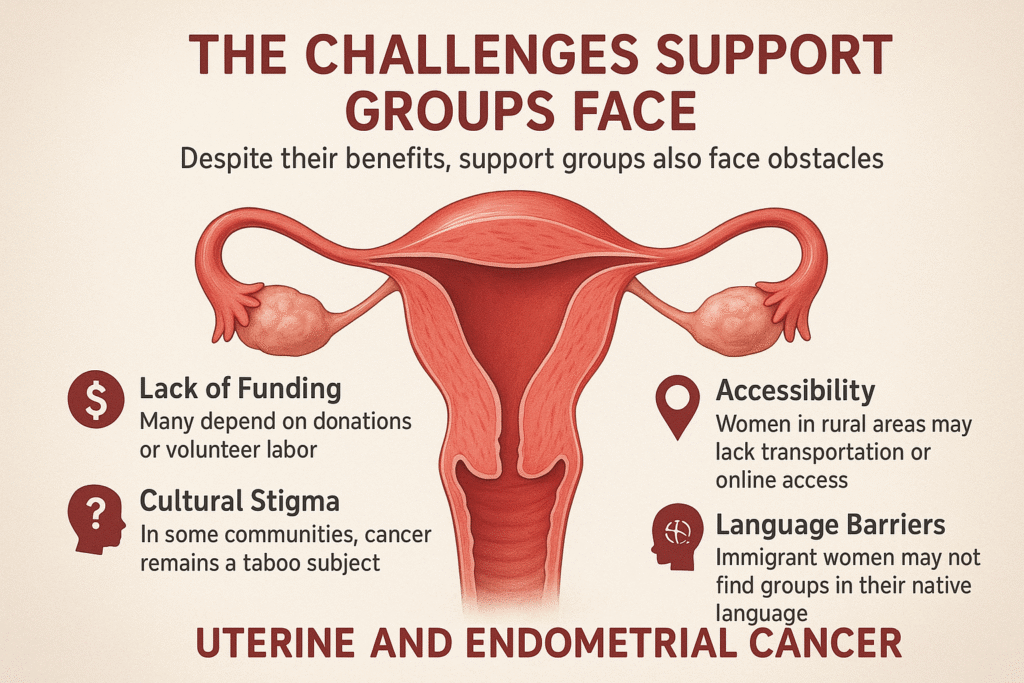
Despite their benefits, support groups also face obstacles:
- Lack of Funding: Many depend on donations or volunteer labor.
- Cultural Stigma: In some communities, cancer remains a taboo subject.
- Accessibility: Women in rural areas may lack transportation or online access.
- Language Barriers: Immigrant women may not find groups in their native language.
Recognizing these challenges is the first step to overcoming them. Solutions include government support, partnerships with health organizations, and collaborations with media outlets like radio show NYC platforms.
Building the Future of Support
The future of women’s cancer support lies in hybrid approaches—combining in-person gatherings with digital outreach. Imagine a world where:
- Women in rural towns join Zoom-based support groups.
- Survivors share testimonies on urban internet radio.
- Health professionals use apps to provide real-time guidance.
- Local organizations partner with radio hosts like Z-Fly to raise awareness in fun, relatable ways.
By blending tradition with innovation, support communities will continue to thrive.
Practical Tips for Women Seeking Support
For women navigating cancer, here are practical steps to find and benefit from support groups:
- Ask Your Oncologist: Many hospitals have dedicated support networks.
- Search Online: Look for national organizations with local chapters.
- Explore Faith Communities: Churches, mosques, and synagogues often host groups.
- Tune into Media: Listen to radio shows or podcasts discussing women’s health.
- Create Your Own Circle: Even a small group of friends or family can serve as a support system.
Conclusion: The Power of We
Cancer is a journey no woman should walk alone. While treatments target the body, communities nurture the soul. From learning about uterine cancer symptoms to sharing endometrial cancer facts, from faith-based groups to conversations on urban internet radio, support groups empower women to face cancer with courage and hope.
As advocates like Radio host Z-Fly remind us, awareness must be woven into the very fabric of our communities—through health fairs, storytelling, and even music-driven platforms like radio show NYC. Because when we stand together, cancer no longer feels like an individual battle; it becomes a collective fight backed by compassion, strength, and love.