
Endometrial cancer is the most common gynecologic cancer in the United States, yet it often remains under-discussed—especially among women who don’t know the warning signs until it’s too late. As part of a growing push for endometrial cancer awareness in North Carolina and beyond, it’s crucial to educate women on the early symptoms, risk factors, treatment options, and inspiring survivor stories. This article aims to empower women through knowledge and resources while highlighting the support networks, faith-based organizations, and even entertainment groups helping amplify awareness.
What is Endometrial Cancer and How Does It Start?
Endometrial cancer begins in the lining of the uterus, called the endometrium. This type of cancer typically starts when cells in the endometrium begin to grow out of control. The abnormal growth may develop into a tumor, which can then spread to other parts of the body if not treated.
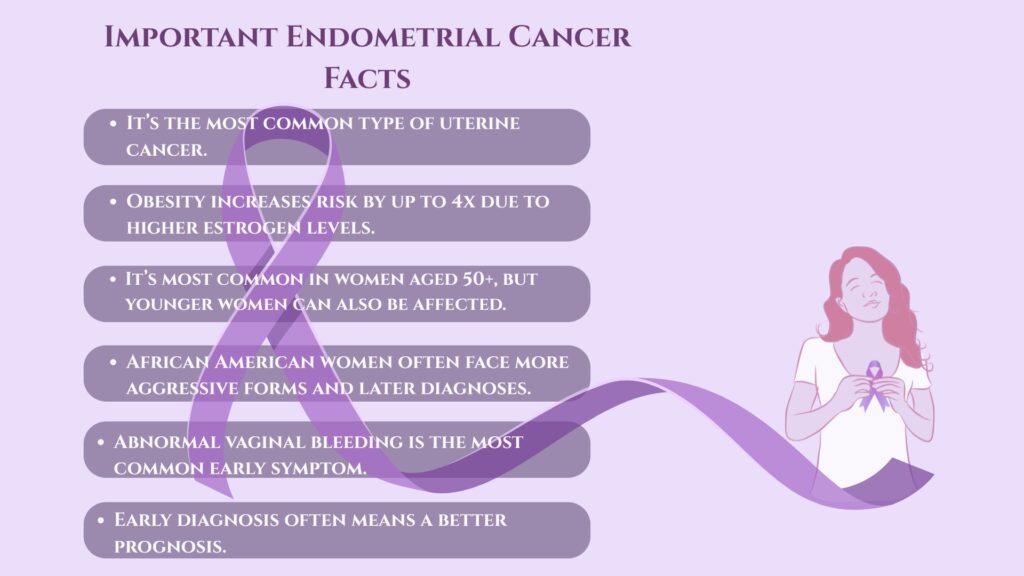
So, how does endometrial cancer start? Most cases are linked to hormonal imbalances—especially excessive estrogen without enough progesterone. Other risk factors include obesity, diabetes, polycystic ovary syndrome (PCOS), early menstruation, late menopause, never having been pregnant, and a family history of certain cancers.
While some cases are genetic, many are influenced by lifestyle, hormonal exposure, and reproductive history.
Common Symptoms Every Woman Should Know
One of the most alarming aspects of endometrial cancer is that its symptoms can be subtle or mistaken for other conditions. However, early detection is key. If you notice any of the following signs, consult your healthcare provider immediately:
- Abnormal vaginal bleeding (especially after menopause)
- Unusual discharge (watery or blood-tinged)
- Pelvic pain or pressure
- Pain during intercourse
- Unexplained weight loss
- Fatigue
- Frequent urination or bladder discomfort
For many women, especially in underserved areas, these symptoms are often ignored or misdiagnosed. That’s why endometrial cancer awareness in North Carolina and other regions needs more targeted education campaigns, particularly in faith communities, minority populations, and older age groups.
The Role of Early Detection
Early-stage endometrial cancer is often highly treatable, with survival rates reaching over 95% when caught early. Routine pelvic exams and discussing symptoms with your OB-GYN are crucial. Unfortunately, unlike cervical cancer, there is no standard screening test for endometrial cancer, which makes symptom recognition even more vital.
Women in church groups supporting cancer patients are often better informed due to peer encouragement and community-led workshops. Faith-based organizations in North Carolina and nationwide are stepping up to bridge these knowledge gaps.
Powerful Endometrial Cancer Survivor Stories
One of the most uplifting aspects of the fight against endometrial cancer is hearing from women who’ve overcome it. These endometrial cancer survivor stories often highlight how faith, family, medical support, and even holistic healing methods helped them endure and thrive.
Take Vanessa, a 52-year-old teacher from Charlotte, North Carolina. After experiencing irregular bleeding, she was diagnosed early and underwent surgery followed by radiation. With the support of her church group, she found strength in her faith, attending prayer meetings and community dinners during recovery.
Then there’s Deborah, who used a combination of medical treatment and natural ways to support endometrial cancer recovery, including anti-inflammatory foods, gentle yoga, and guided meditation. Today, she volunteers with a local cancer support group and shares her journey to help others.
These stories are not only inspiring but educational, showing that survival is possible and that a supportive community plays a vital role.
The Best Cancer Foundations for Women
Whether you’re newly diagnosed, in treatment, or a survivor, knowing where to find reliable support is critical. Here are some of the best cancer foundations for women that offer resources specifically for those facing endometrial cancer:
- Foundation for Women’s Cancer (FWC) – Provides comprehensive education, research funding, and patient resources.
- Gynecologic Cancer Foundation – Offers support and raises awareness about gynecologic cancers, including endometrial.
- Sisters Network Inc. – A national organization focused on African American women affected by cancer.
- Women’s Health and Cancer Rights Act (WHCRA) – Legal protections for women recovering from cancer surgery, including reconstructive surgery.
In North Carolina, localized foundations like the North Carolina Women’s Health Coalition provide support groups, transportation help, and financial assistance for underserved patients.
Faith-Based and Church Support
Across the Southeast, especially in North Carolina, churches have become more than just places of worship—they’re hubs for health education. Church groups supporting cancer patients offer transportation to treatment, food assistance, prayer circles, and health workshops led by professionals.
Programs like “Praise and Prevention” in Durham, NC, combine spirituality with medical facts, helping congregants better understand symptoms and access care. These groups often collaborate with cancer foundations for women and hospitals to ensure holistic care—physical, emotional, and spiritual.
Natural Ways to Support Endometrial Cancer Recovery
While medical treatment is the cornerstone of recovery, many women seek natural ways to support endometrial cancer recovery. These methods don’t replace conventional treatment but can complement it, improving overall well-being:
1. Diet and Nutrition
- Focus on anti-inflammatory foods like leafy greens, berries, and turmeric.
- Avoid processed sugars and refined carbs, which can feed cancer cells.
- Consider organic options to reduce exposure to pesticides and hormones.
2. Physical Activity
- Gentle yoga, walking, or tai chi can improve circulation and reduce fatigue.
- Exercise also improves mood and may help regulate hormone levels.
3. Mind-Body Connection
- Meditation, prayer, and mindfulness reduce stress hormones.
- Many women credit their recovery in part to spiritual strength.
4. Herbal Supplements (with doctor approval)
- Turmeric, green tea extract, and milk thistle are commonly used.
- Always check interactions with cancer medications.
Combining conventional care with natural support methods provides a more comprehensive approach to healing, particularly when combined with a strong emotional support network.
Community and Media Raising Awareness: Forever Live Young Entertainment & FLY Entertainment
Innovative and culturally relevant platforms like Forever Live Young Entertainment and FLY Entertainment are making waves in spreading cancer awareness through media and community engagement. Based in North Carolina, these groups use music, storytelling, and digital platforms to inform the urban community about health topics often swept under the rug.
With shows, community events, and collaborations with health professionals, they are helping bring endometrial cancer facts to the forefront, especially among women of color. These platforms are particularly powerful in demystifying health care topics for younger audiences, using entertainment as a tool for education.
They’ve hosted panel discussions with survivors, featured doctors on talk shows, and created PSA campaigns that merge pop culture with public health messaging.
How North Carolina is Leading the Way in Awareness
Efforts for endometrial cancer awareness in North Carolina have ramped up over the last few years. With support from local hospitals, nonprofits, universities, and media platforms like FLY Entertainment, more women are being educated about prevention, early signs, and treatment options.
Programs like “Sister Check” and “Black Women’s Health Initiative” work to ensure women of color are not left behind. Mobile clinics in rural NC counties offer free screenings and information sessions, helping to close the gap between healthcare access and outcomes.
Conclusion: Turning Awareness into Action
Endometrial cancer can be silent—but we don’t have to be. By understanding the symptoms, sharing survivor stories, leveraging natural and medical treatments, and supporting one another through faith and community, we can change the narrative.
From church groups supporting cancer patients to Forever Live Young Entertainment pushing awareness through creativity and culture, the tide is turning. Women across North Carolina and the U.S. are becoming more informed, more empowered, and more proactive in their health journeys.
Now is the time to spread the word. Share this knowledge with your mother, sister, friend, or coworker. Encourage regular checkups. Uplift survivors. And support the organizations making a difference—because awareness saves lives.