
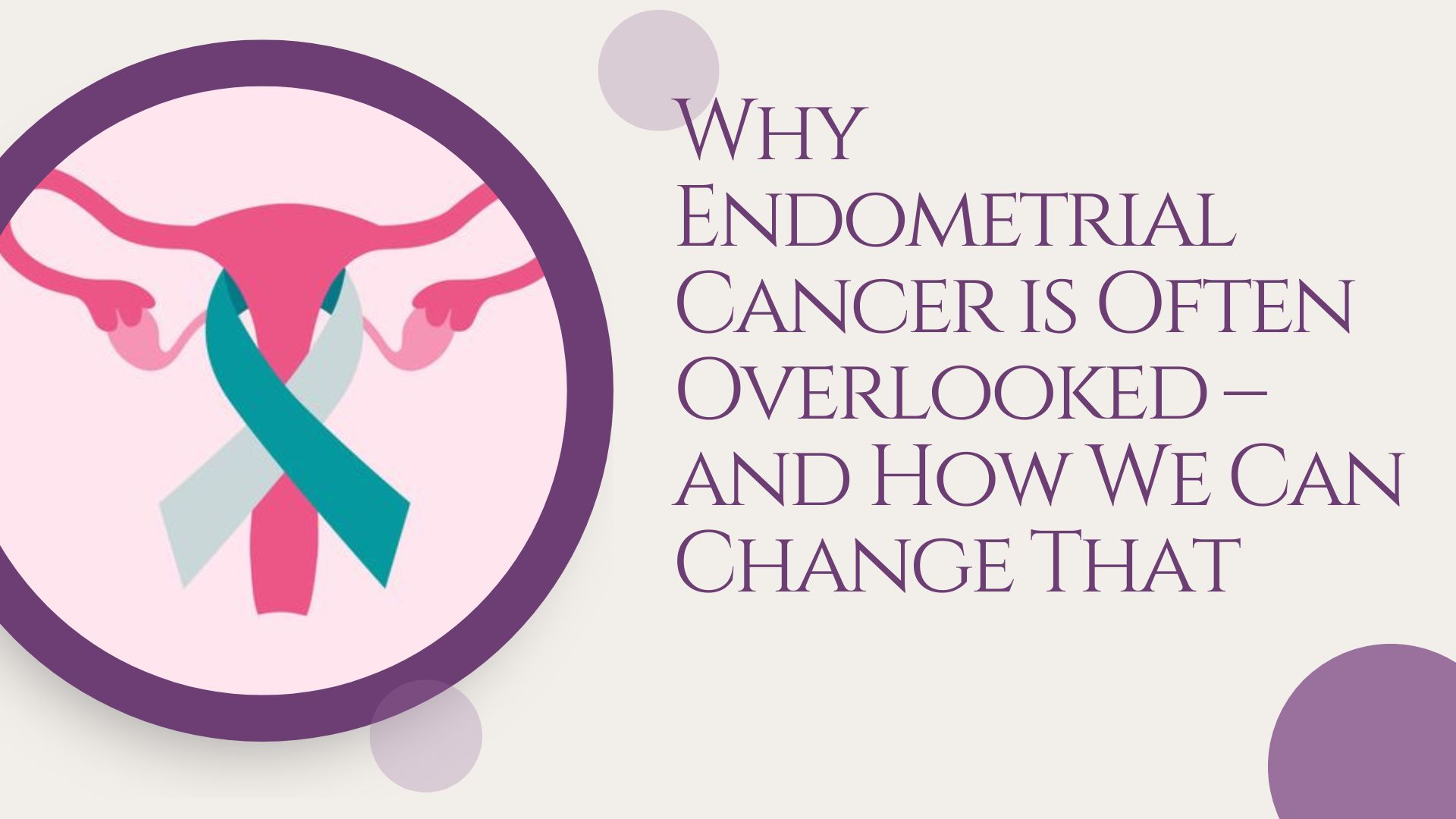
When it comes to women’s health, few topics are as vital and under-discussed as gynecologic cancers—particularly endometrial cancer. Despite being the most common gynecologic cancer in the United States, endometrial cancer remains widely overlooked. Women are often unaware of the symptoms, the risk factors, or even that such a cancer exists until it has advanced to a dangerous stage. But why is this the case—and more importantly, how can we change it?
This blog aims to shed light on the silence surrounding endometrial cancer, offer empowering facts and resources, and highlight the movements, including Forever Live Young Entertainment (FLY Entertainment), that are using creative and faith-based platforms to educate and inspire change.
The Silent Threat: Why Endometrial Cancer Is Overlooked
Lack of Awareness
One major reason endometrial cancer is so frequently overlooked is because it simply doesn’t get the attention it deserves. Unlike breast cancer or cervical cancer, which benefit from widespread campaigns, pink ribbons, and dedicated months of awareness, endometrial cancer lingers in the shadows.
Most women—and even some healthcare providers—fail to associate symptoms like abnormal bleeding or pelvic pain with something as serious as uterine cancer. Instead, these symptoms are brushed off as signs of menopause, fibroids, or hormonal changes.
Misunderstood Symptoms
Uterine cancer symptoms can be deceptively subtle. Common early signs include:
- Unusual vaginal bleeding (especially after menopause)
- Pelvic or lower abdominal pain
- Pain during intercourse
- Watery or blood-tinged discharge
- Sudden weight loss
Unfortunately, these symptoms are often mistaken for benign conditions. This leads to delayed diagnoses and diminished outcomes.
The Numbers Don’t Lie: Endometrial Cancer Facts
Understanding the scope of the issue starts with the facts:
- Endometrial cancer is the most common cancer of the female reproductive organs in the U.S.
- Around 66,000 women are diagnosed annually.
- Black women are twice as likely to die from uterine cancer than white women.
- The 5-year survival rate is much higher when detected early—around 95% in Stage 1.
Yet despite these facts, awareness and education remain severely lacking.
The Roots of the Disease: How Does Endometrial Cancer Start?
Endometrial cancer begins in the lining of the uterus, known as the endometrium. It typically starts when hormonal imbalances—especially excess estrogen—cause cells in the lining to grow out of control. Over time, these abnormal cells can develop into tumors and spread to other parts of the body.
There are two primary types of endometrial cancer:
- Type 1: Hormone-driven and generally less aggressive.
- Type 2: More aggressive and not linked to estrogen.
Endometrial Cancer Risk Factors:
- Obesity or high body fat percentage
- Hormone replacement therapy (estrogen-only)
- Diabetes
- Family history of cancer
- Polycystic ovarian syndrome (PCOS)
- Early menstruation or late menopause
- Never having been pregnant
For many women, especially in Black and Latino communities, there is a cultural and spiritual dimension to healthcare. This is where faith-based cancer support becomes essential.
Organizations like Forever Live Young Entertainment (FLY Entertainment) and community-driven platforms in New York and North Carolina are using faith, music, dance, and art to reach women who might not otherwise receive education on women’s cancers.
Faith-based cancer events in New York and community health events in NC are bridging the gap between science and spirituality, offering hope and healing in ways that traditional healthcare cannot.
Community-Based Outreach: Education Starts at Home
Women’s Cancer Education NYC
In NYC, initiatives focused on women’s cancer education are now incorporating urban culture and media to speak directly to women where they are. From radio shows to spoken word events, platforms like FLY Entertainment use real voices and stories to raise awareness about endometrial cancer, especially among underserved populations.
Endometrial Cancer Awareness in North Carolina
In North Carolina, where access to care can be limited in rural areas, endometrial cancer awareness campaigns are now being delivered through community health events and faith-based programs. These initiatives offer screening referrals, survivor stories, and holistic healing workshops to women of all ages.
Real Stories: Endometrial Cancer Survivor Stories That Inspire
One of the most powerful ways to spread awareness is through storytelling. Endometrial cancer survivor stories provide firsthand insights into the emotional and physical journey of diagnosis, treatment, and healing.
Meet Michelle, a 43-year-old woman from Durham, NC, who ignored her abnormal bleeding for a year because she thought it was stress. After finally seeing a doctor, she was diagnosed with stage 2 endometrial cancer. Thanks to early intervention and support from a NC support group for uterine cancer, she is now cancer-free and devotes her time to speaking at community health events in NC.
Stories like Michelle’s remind us why uterine cancer support must include emotional, cultural, and spiritual guidance.
Changing the Conversation – One Voice at a Time
So, how do we change the narrative around endometrial cancer?
- Normalize the conversation. We talk about breast cancer in October; we must do the same for gynecologic cancers in September—Gynecologic Cancer Awareness Month.
- Empower survivors to speak up. Every woman who has beaten this disease carries the power to change another life with her story.
- Partner with grassroots organizations. FLY Entertainment, churches, and local support groups are already on the ground doing the work—we just need to amplify them.
- Use media creatively. Music, art, fashion, spoken word—these are powerful tools for awareness and outreach.
- Invest in education. Schools, churches, and women’s centers should offer monthly info sessions or host speakers from women’s cancer foundations or gynecologic cancer awareness groups.
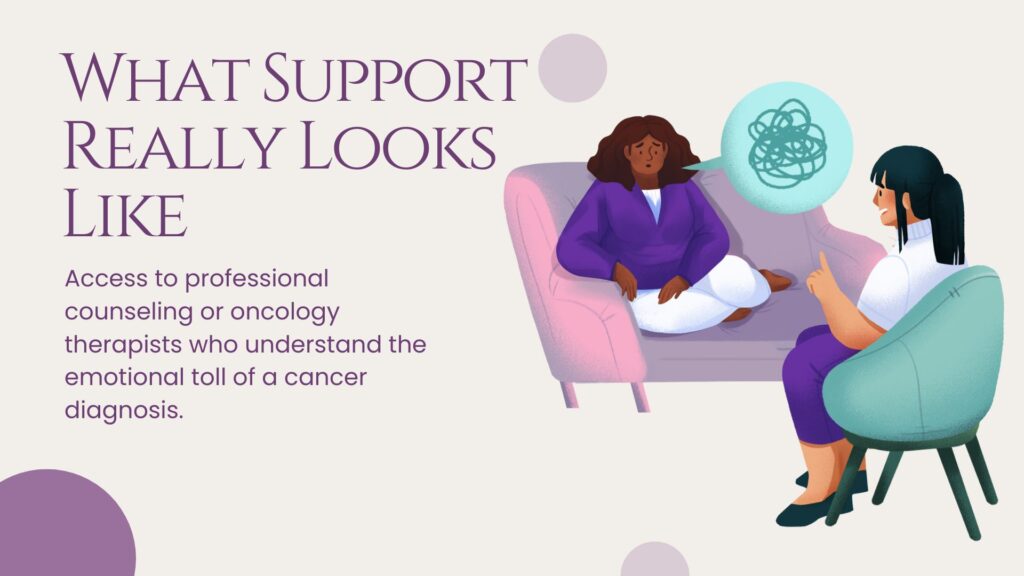
Support for endometrial cancer goes beyond just doctor’s visits. It includes:
Emotional and Mental Health Support
Facing a gynecologic cancer diagnosis like endometrial cancer can be emotionally overwhelming. Patients often battle fear, anxiety, depression, and uncertainty. Real support means:
- Access to professional counseling or oncology therapists who understand the emotional toll of a cancer diagnosis.
- Peer support groups, both online and in-person, where survivors and patients can share their journeys.
- Mental health resources that include mindfulness programs, journaling prompts, or meditation apps tailored for cancer recovery.
- Compassionate check-ins from friends, family, or spiritual leaders who provide consistent emotional presence.
Natural Ways to Support Endometrial Cancer Recovery:
- Diet rich in anti-inflammatory foods (green vegetables, berries, turmeric)
- Gentle exercise like walking or yoga
- Herbal support with physician guidance (e.g., green tea, ginger)
- Mindfulness practices (prayer, meditation, journaling)
- Reducing exposure to environmental toxins (parabens, plastics)
These holistic approaches, when integrated with medical treatment, can significantly enhance a woman’s overall wellbeing during recovery.
Forever Live Young Entertainment: Creativity Meets Purpose
Forever Live Young Entertainment (FLY Entertainment) isn’t just a media brand—it’s a movement. Through music, radio, and performance, FLY spreads messages of health, empowerment, and faith, particularly in Black communities where health disparities are too often ignored.
From featuring endometrial cancer survivor stories on radio segments, to organizing faith-based cancer events in New York, FLY is ensuring that women see their stories reflected—and their pain acknowledged.
With the leadership of change-makers and creatives who understand the cultural heartbeat of their communities, FLY is rewriting the way we talk about women’s health. It’s no longer clinical or taboo—it’s honest, empowering, and even beautiful.
Conclusion: The Path Forward
Endometrial cancer is no longer allowed to hide in the shadows. With better education, broader outreach, and culturally grounded approaches, we can shift from overlooked to over-prepared.
Women must be empowered to:
- Recognize uterine cancer symptoms
- Advocate for their own testing and care
- Seek uterine cancer support—not just medically, but spiritually and emotionally
- Share survivor stories to build a stronger, united voice
- Explore natural ways to support endometrial cancer recovery
- Get involved in community health events and faith-based programs
From NYC to North Carolina, from hospital rooms to radio stations, the message is the same: Awareness saves lives.
Let’s ensure that no woman walks this journey alone.
Call to Action:
If you or someone you love is facing symptoms or needs support, reach out to:
- A local NC support group for uterine cancer
- Women’s cancer foundations
- Community leaders involved in faith-based cancer events
- Platforms like FLY Entertainment, where awareness meets creativity
Together, we can build a world where no woman’s pain is ignored—and every voice is heard.