
Survivorship is a word often associated with cancer, trauma, or life-changing challenges. Yet, it’s more than just living after hardship—it’s about thriving despite the odds. Survivors embody resilience, courage, and hope, becoming powerful reminders of the human spirit’s capacity to endure and transform. In this blog, we’ll explore what it means to be incredibly brave, the mental and physical strength survivors cultivate, and how organizations, platforms, and communities are working together to amplify their stories.
We’ll also highlight the role of creative spaces like Forever Live Young Entertainment (FLY Entertainment), advocacy initiatives such as gynecologic cancer awareness, and the supportive work of women’s cancer foundations in giving survivors a voice. Whether through music, media, or community activism, survivors’ journeys remind us of the importance of perseverance, faith, and unity.
Understanding the Nature of Survivorship
To understand survivors’ strength, we first need to break down what survivorship actually means. For some, it begins the day they are diagnosed with an illness like cancer; for others, it begins after completing treatment. Survivorship also extends beyond health—it includes surviving abuse, loss, war, accidents, and social injustices.
But what ties survivors together is bravery—a deep-rooted determination to face what many would consider unbearable. Being incredibly brave is not about the absence of fear; it’s about moving forward even when fear is overwhelming.
- Mental strength allows survivors to find hope, clarity, and meaning, even in their darkest days.
- Physical strength often comes after enduring grueling treatments, surgeries, or physical rehabilitation. Survivors must rebuild their bodies while maintaining their spirits.
This dual journey—the mind and body working together—is what makes survivor stories so inspiring.
The Mental Strength of Survivors
Facing the Unknown
One of the most challenging aspects of survivorship is uncertainty. When someone hears the words “you have cancer” or survives a near-death experience, the unknown becomes their new reality. Fear of recurrence, fear of loss, and fear of the future often linger. Mental strength, therefore, becomes essential in navigating day-to-day life.

Survivors often practice:
- Mindfulness and meditation to quiet racing thoughts.
- Positive reframing—choosing to see opportunities in challenges.
- Storytelling and testimony, which allow them to take control of their narrative.
Building Resilience
Resilience is not innate—it is learned. Survivors develop coping strategies over time, often drawing from faith, family, or community support. Resilience doesn’t mean pretending everything is okay; it means continuing to show up, even when life feels unfair.
For example, many women diagnosed with gynecologic cancers discover strength by joining support groups, where they share their fears openly while receiving encouragement. This sense of belonging helps survivors stay grounded.
The Role of Advocacy and Media in Mental Strength
Mental strength is not only built internally—it is often reinforced externally. Platforms like Radio show NYC and urban internet radio stations have become powerful outlets where survivors share their stories. Hearing a survivor speak publicly validates their experience, reduces stigma, and reminds others they are not alone.
Entertainment companies like FLY Entertainment (Forever Live Young Entertainment) also contribute by blending advocacy with creativity. Their events and media productions celebrate life while addressing difficult topics like cancer awareness, trauma, and community healing. By combining art with activism, they show survivors that their voices matter.
The Physical Strength of Survivors
Battling the Body’s Limits
For many survivors, especially those of cancer or severe illness, the body becomes both battleground and vessel of hope. Chemotherapy, radiation, surgeries, or long-term treatment plans take a toll on the body. Survivors endure fatigue, pain, weight changes, and scars. Yet, many rebuild their physical strength through rehabilitation, exercise, nutrition, and holistic practices.
Women’s cancer survivors often highlight the importance of regaining strength slowly, respecting their body’s new limitations while celebrating small victories—walking a mile, lifting weights again, or dancing without pain.
Survivors as Symbols of Vitality
When a survivor shares their physical transformation—such as finishing a marathon after remission—it becomes symbolic of more than just fitness. It represents triumph over adversity. Survivors show that strength isn’t about returning to who they were before; it’s about embracing who they’ve become after the storm.
Organizations Supporting Physical Strength
Women’s cancer foundations often provide rehabilitation programs, fitness workshops, and wellness resources for survivors. From yoga for gynecologic cancer survivors to community fitness events, these programs encourage healing through movement.
Additionally, entertainment-driven initiatives like Forever Live Young Entertainment often include physical expression through dance and performance. Survivors who engage in these creative outlets find both physical release and emotional empowerment.
Survivorship and Community
The Power of Collective Healing
Survivors rarely walk their journeys alone. Support systems—family, friends, caregivers, and advocacy organizations—become lifelines. Communities that rally around survivors not only ease the burden but also celebrate victories, however small.
Events hosted by FLY Entertainment or promoted through urban internet radio platforms often double as awareness campaigns. Survivors get to share their stories while raising funds for research, education, and support services. This intersection of entertainment and community healing ensures that survivorship is not just personal—it’s collective.
Survivors as Leaders
Many survivors transform into advocates. A woman who survives uterine cancer may go on to volunteer for a women’s cancer foundation, raising awareness about gynecologic cancer symptoms and early detection. A trauma survivor may launch a podcast on Radio show NYC, helping others cope with PTSD. Survivors become leaders because they carry lived experience—the most powerful testimony of all.
Survivorship Through the Lens of Entertainment and Media
Media and entertainment platforms have a responsibility to amplify survivor voices. Survivors’ stories challenge stereotypes, inspire resilience, and spread education.
- Radio show NYC programs feature survivor spotlights, blending personal stories with music and conversation.
- Urban internet radio allows global audiences to hear voices that might otherwise remain local. This democratization of media ensures survivors are heard far beyond their immediate communities.
- FLY Entertainment, under the ethos of “Forever Live Young,” embodies this mission by blending artistry with advocacy, reminding us that entertainment isn’t just about fun—it’s about impact.
By engaging with survivors through creative storytelling, the entertainment industry plays an unexpected but vital role in survivorship.
Gynecologic Cancer Survivorship
Why It Matters
Gynecologic cancers—such as uterine, cervical, ovarian, vaginal, and vulvar cancers—impact millions of women worldwide. Survivors of these cancers often face unique physical and emotional challenges, including fertility concerns, body image issues, and stigmatization.
Awareness and Education
Gynecologic cancer awareness campaigns aim to ensure women recognize early warning signs and seek timely medical help. Survivors are at the heart of these efforts. Their testimonies resonate deeply with audiences, making awareness campaigns more relatable and effective.
Survivor Advocacy and Women’s Cancer Foundations
A women’s cancer foundation doesn’t just fund research—it also provides emotional, physical, and financial support to survivors. Many foundations partner with community media and entertainment platforms to highlight survivors’ stories. Through events, fundraisers, and survivor-led panels, they ensure that women navigating cancer feel seen and supported.
The Intersection of Faith, Art, and Healing
Survivorship is not purely medical or psychological—it is also spiritual. Many survivors lean on faith to navigate uncertainty. Others turn to art—dance, poetry, music—as a form of therapy. Entertainment platforms like Forever Live Young Entertainment understand this intersection. By creating spaces where survivors can perform, speak, or share their journeys, they blend healing with artistry.
This holistic approach—mind, body, and spirit—is essential in honoring survivors’ bravery.
Everyday Acts of Bravery
Being incredibly brave is not always about grand gestures. Survivorship also shows up in quiet, everyday acts:
- Choosing to get out of bed despite depression.
- Smiling in the mirror after losing hair from treatment.
- Saying yes to a new opportunity despite fear.
- Speaking openly about pain in a society that prefers silence.
These everyday acts of courage make survivors role models not just for others facing similar battles, but for all of us navigating life’s challenges.
How Communities Can Support Survivors
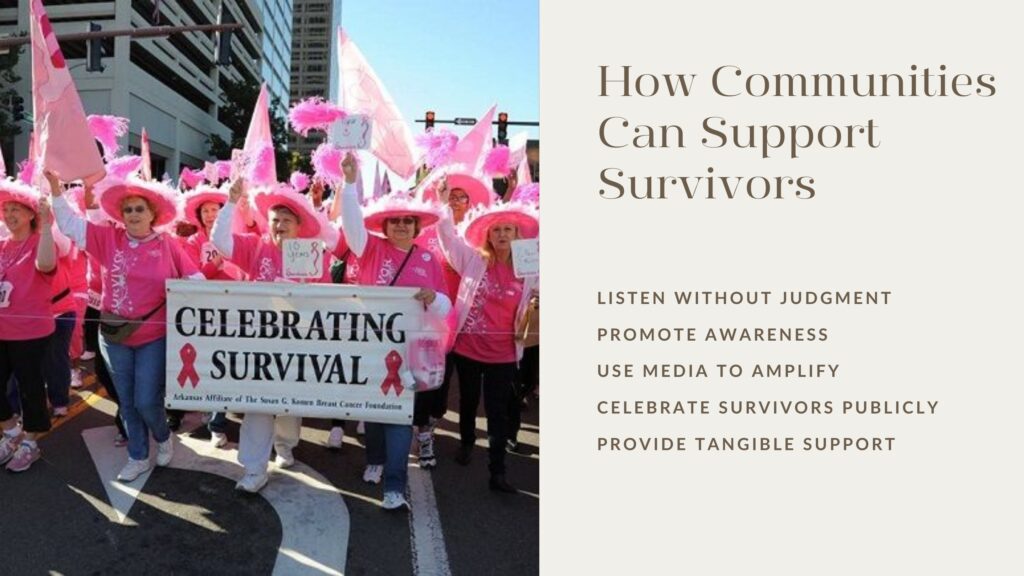
If survivorship is about bravery, community is about responsibility. Here are ways we can all help strengthen survivors:
- Listen Without Judgment – Sometimes survivors don’t need advice, just a safe space to share.
- Promote Awareness – Support campaigns for gynecologic cancer awareness or events led by a women’s cancer foundation.
- Use Media to Amplify – Share survivor stories on platforms like urban internet radio or local podcasts.
- Celebrate Survivors Publicly – Entertainment groups like FLY Entertainment show how combining art and advocacy can celebrate survivors meaningfully.
- Provide Tangible Support – Donations, rides to appointments, meal prep, or financial assistance go a long way.
Survivors as Beacons of Hope
Survivors remind us that life is fragile yet powerful. Their stories show that even when the body is weakened, the spirit can rise stronger. Survivors embody bravery not because they wanted the battle, but because they chose to fight through it.
From cancer survivors supported by women’s cancer foundations, to community advocates sharing their stories on Radio show NYC, to the creative activism of Forever Live Young Entertainment, the message is clear: bravery is contagious. When one survivor stands tall, others find the courage to rise too.
Conclusion: The Legacy of Survivor Bravery
“Being Incredibly Brave” isn’t just about surviving—it’s about inspiring. Survivors are not defined by their scars but by the wisdom, compassion, and hope they carry forward. They show us that resilience is possible, that healing is holistic, and that bravery comes in many forms.
The role of media, community, and entertainment—including FLY Entertainment, urban internet radio, and women’s cancer foundations—is vital in ensuring survivors are celebrated and supported. Through storytelling, advocacy, and collective healing, we ensure survivors’ bravery lives on, inspiring generations to come.
To be a survivor is to be a testament to the power of the human spirit. To be incredibly brave is to remind the world that even in the face of life’s hardest battles, hope and strength can—and will—endure.