
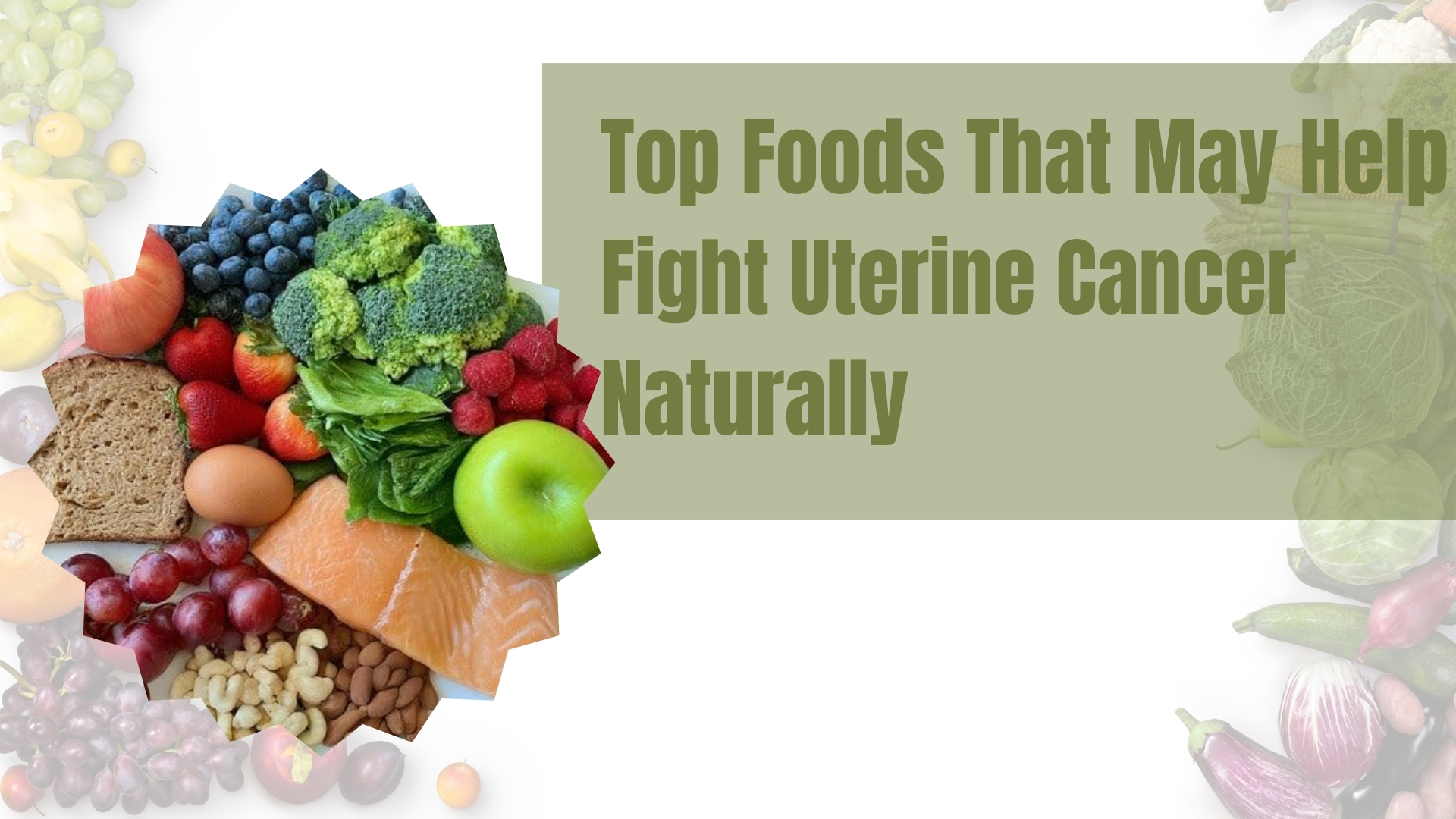
Uterine cancer, most commonly endometrial cancer, is one of the most prevalent gynecologic cancers affecting women worldwide. While genetics, age, and reproductive history play a significant role in risk, lifestyle choices — especially diet — can also have a powerful influence.
The way we nourish our bodies has a direct effect on our weight, hormone balance, inflammation levels, and immune system. All of these factors are linked to uterine cancer risk. While no single food can guarantee prevention, eating a diet rich in certain nutrient-packed, anti-inflammatory, and hormone-balancing foods can support a healthier body environment and potentially reduce risk.
This guide explores the top foods that research and nutritional science suggest may help in the fight against uterine cancer — along with practical tips, meal ideas, and a realistic approach you can sustain for the long term.
Why Food Matters in Uterine Cancer Prevention
The most significant modifiable risk factor for uterine cancer is excess body weight. Fat tissue, especially around the abdomen, is hormonally active — it produces estrogen, which can stimulate the lining of the uterus. Too much estrogen over time can increase the likelihood of abnormal cell growth.
Diet impacts risk in several interconnected ways:
- Weight management: A healthy diet helps control calorie intake and prevent obesity.
- Hormone balance: Certain foods influence how the body produces, metabolizes, and eliminates hormones.
- Blood sugar control: Stable blood sugar helps reduce insulin spikes, which are linked to increased cell growth and inflammation.
- Inflammation reduction: Plant-based, antioxidant-rich foods help reduce chronic inflammation, a known contributor to many cancers.
The Top Food Groups for Uterine Cancer Prevention
1. Cruciferous Vegetables
Why they help: Cruciferous vegetables like broccoli, cauliflower, kale, cabbage, and Brussels sprouts contain compounds called glucosinolates, which break down into biologically active substances that support the body’s detoxification systems and help metabolize estrogen more efficiently.
How to eat more:
- Steam or roast broccoli with garlic and olive oil.
- Add shredded cabbage to salads or soups.
- Make kale chips baked with a drizzle of olive oil.
- Add cauliflower rice as a base for stir-fries.
2. Leafy Greens
Why they help: Spinach, Swiss chard, collard greens, and other dark leafy greens are loaded with folate, magnesium, and antioxidants. These nutrients help repair DNA damage and keep inflammation under control.
How to eat more:
- Add spinach to smoothies — it blends without altering flavor.
- Sauté Swiss chard with olive oil, garlic, and lemon juice.
- Use collard greens as a wrap instead of tortillas.
3. Whole Fruits (Especially Berries and Citrus
Why they help: Fruits are rich in vitamin C, carotenoids, and flavonoids that act as antioxidants. Berries (blueberries, strawberries, raspberries) contain anthocyanins that protect against oxidative damage. Citrus fruits provide vitamin C and bioflavonoids that support immune function and collagen health.
How to eat more:
- Add fresh berries to oatmeal or yogurt.
- Snack on orange slices in the afternoon.
- Use frozen mango chunks in smoothies.
4. Whole Grains
Why they help: Brown rice, quinoa, barley, millet, oats, and whole-wheat bread are high in fiber. Fiber supports healthy digestion, helps the body eliminate excess estrogen, and keeps you feeling full — aiding weight control.
How to eat more:
- Replace white rice with quinoa or brown rice.
- Make overnight oats for breakfast.
- Use barley in vegetable soups.
5. Legumes (Beans, Lentils, Chickpeas)
Why they help: Legumes are high in protein and fiber but low in fat. They keep blood sugar stable and provide plant-based protein, reducing the need for red or processed meat, which has been linked to higher cancer risk.
How to eat more:
- Add lentils to vegetable stews.
- Make chickpea salad sandwiches.
- Add black beans to tacos or wraps.
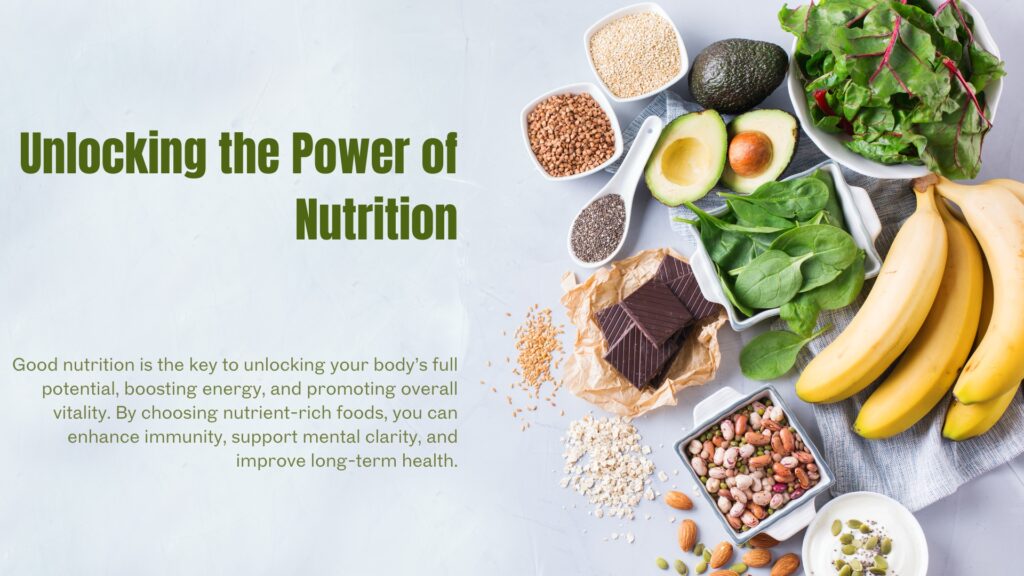
6. Soy Foods (Whole and Minimally Processed)
Why they help: Soy foods like tofu, tempeh, and edamame contain phytoestrogens — plant compounds that mimic estrogen but are much weaker, potentially blocking stronger estrogens from binding to receptors. In whole food form, soy is considered safe and possibly beneficial.
How to eat more:
- Grill tofu with a tamari and ginger marinade.
- Add edamame to salads or stir-fries.
- Use tempeh as a protein base in grain bowls.
7. Nuts and Seeds
Why they help: Almonds, walnuts, chia seeds, and flaxseeds provide healthy fats, fiber, and anti-inflammatory compounds. Flaxseeds also contain lignans, which may influence estrogen metabolism.
How to eat more:
- Sprinkle flaxseed on yogurt or cereal.
- Make chia pudding for breakfast.
- Snack on raw almonds or walnuts.
8. Oily Fish
Why they help: Salmon, sardines, and mackerel are rich in omega-3 fatty acids, which help reduce inflammation and support overall metabolic health.
How to eat more:
- Bake salmon with lemon and dill.
- Add canned sardines to whole-grain toast with avocado.
- Grill mackerel with herbs and olive oil.
9. Green Tea
Why it helps: Green tea contains catechins, particularly EGCG, which have antioxidant and anti-inflammatory effects. Regular consumption may help protect cells from DNA damage.
How to drink more:
- Replace one daily coffee with green tea.
- Enjoy iced green tea with lemon in warmer weather.
10. Garlic, Onions, and Turmeric
Why they help: Garlic and onions contain sulfur compounds that may have anti-cancer effects. Turmeric contains curcumin, a powerful anti-inflammatory agent that may help regulate cell growth.
How to use more:
- Add minced garlic to roasted vegetables.
- Include onions in soups, stir-fries, and salads.
- Use turmeric in curries, rice dishes, or golden milk (with black pepper for better absorption).
Foods to Limit or Avoid
- Processed meats (bacon, sausages, hot dogs)
- Excess red meat (especially fatty cuts)
- Sugary drinks (soda, sweetened teas, energy drinks)
- Refined grains (white bread, white pasta, pastries)
- Excess alcohol (ideally, avoid completely for cancer prevention)
- Ultra-processed snack foods (chips, packaged sweets, fried fast food)
How Diet Works to Lower Risk
- Weight Control: A nutrient-dense, fiber-rich diet supports satiety and helps maintain a healthy BMI.
- Hormone Balance: Certain foods support the liver in metabolizing and eliminating excess estrogen.
- Blood Sugar Regulation: High-fiber foods keep blood sugar stable, lowering insulin spikes.
- Inflammation Reduction: Plant-based antioxidants protect cells and reduce chronic inflammation.
Sample 3-Day Meal Plan
Day 1:
- Breakfast: Oats with blueberries, flaxseed, and almonds
- Lunch: Chickpea salad with spinach, tomatoes, cucumber, and olive oil dressing
- Snack: Apple slices with almond butter
- Dinner: Grilled salmon with quinoa, roasted broccoli, and kale sautéed in garlic
Day 2:
- Breakfast: Spinach and mango smoothie with chia seeds
- Lunch: Lentil soup with whole-grain bread
- Snack: Carrot sticks with hummus
- Dinner: Tofu stir-fry with mixed vegetables and brown rice
Day 3:
- Breakfast: Whole-grain toast with avocado and sliced tomato, plus an orange
- Lunch: Mediterranean bowl with farro, roasted eggplant, chickpeas, and tahini
- Snack: Walnuts and dried apricots
- Dinner: Baked mackerel with sweet potato and sautéed Swiss chard
Lifestyle Factors to Combine with Diet
- Exercise for at least 150 minutes per week.
- Maintain a healthy body weight.
- Get enough quality sleep each night.
- Avoid smoking and limit or avoid alcohol.
6-Week Healthy Eating Kickstart
Weeks 1–2: Add one extra serving of vegetables to each meal and switch refined grains for whole grains.
Weeks 3–4: Replace two meat meals with legumes or fish and drink green tea daily.
Weeks 5–6: Include cruciferous vegetables 3–4 times per week, nuts daily, and cut sugary drinks entirely.
Important Safety Notes
If you have symptoms such as abnormal bleeding or pelvic pain, see a healthcare provider immediately — diet cannot replace medical diagnosis and treatment. Those with chronic health conditions or on medications should consult a doctor before making major dietary changes. Avoid high-dose herbal supplements without medical supervision.
Final Thoughts
There’s no magic food that can completely prevent uterine cancer, but the foods you choose every day can influence your body’s internal environment in powerful ways. A diet built around vegetables, fruits, whole grains, legumes, nuts, green tea, and anti-inflammatory spices — paired with an active, balanced lifestyle — can help lower your risk, improve overall health, and support a longer, more vibrant life.


