
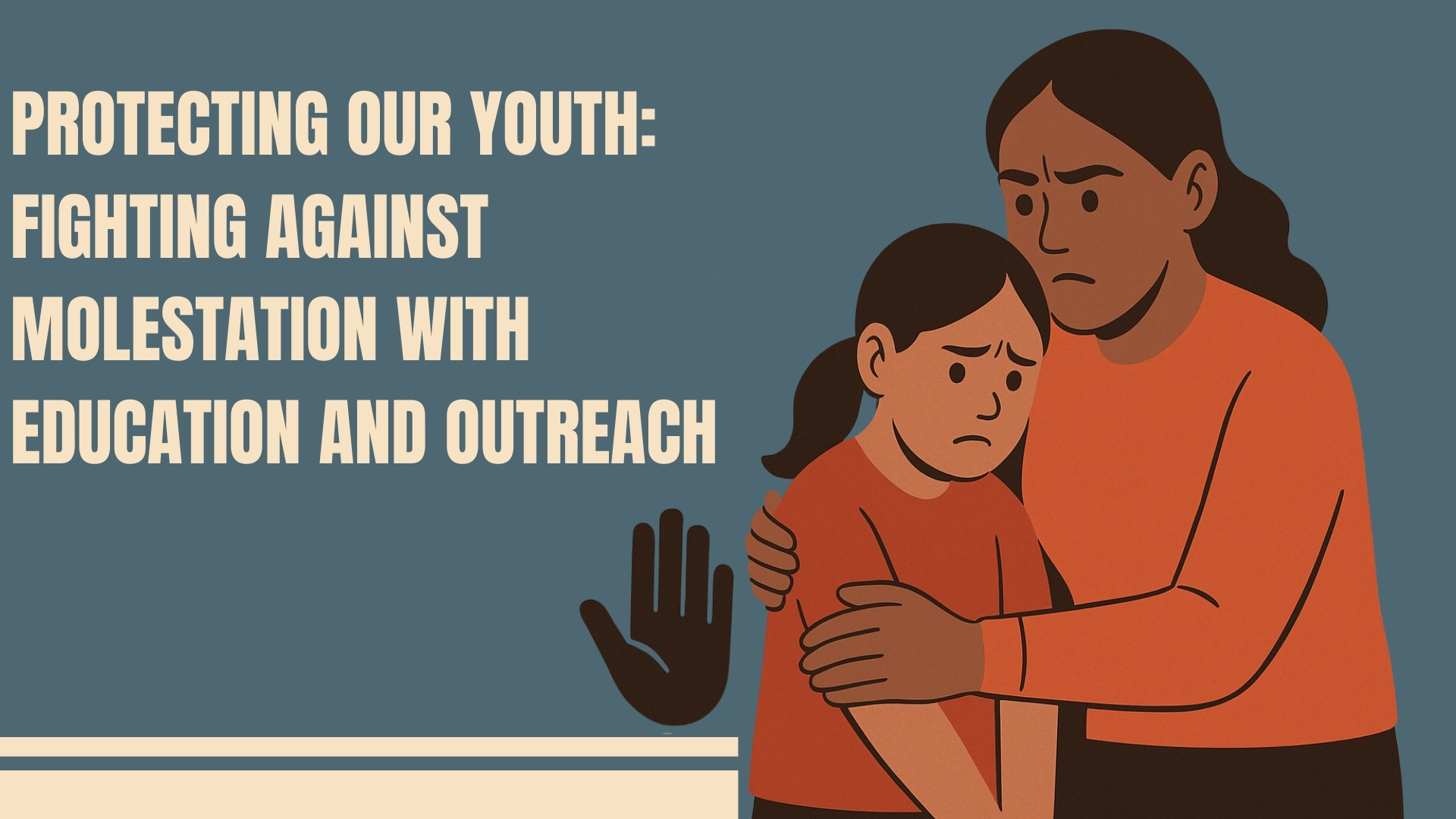
Introduction: Why This Fight Matters
Molestation is one of the most devastating violations a child can experience. It’s not just a crime against the body — it’s an assault on trust, safety, and self-worth. Sadly, it’s more common than many people want to believe. According to global child protection organizations, 1 in 4 girls and 1 in 13 boys experience sexual abuse before the age of 18. Even worse, most cases go unreported due to fear, shame, or manipulation by the abuser.
The fight against molestation isn’t only about punishing offenders — it’s about prevention, education, and community outreach. By teaching children their rights, creating safe spaces for them to speak, and empowering adults to spot warning signs, we can protect our youth from predators before harm occurs.
Understanding the Scope of the Problem
What is Molestation?
Molestation refers to unwanted or inappropriate sexual contact, touching, or behavior toward a minor. It can occur in various forms — from physical contact to verbal harassment to exposure to sexual content. Importantly, it is not always violent; sometimes, it is manipulative and disguised as affection or “play,” which is why it can be harder for children to recognize it as abuse.
Who Are the Perpetrators?
Contrary to the “stranger danger” narrative, most child molesters are people the child knows — relatives, family friends, teachers, coaches, or trusted community members. This familiarity often makes the abuse harder to detect and report.
Why Many Cases Go Unreported
- Fear of not being believed
- Threats from the abuser (“If you tell, I’ll hurt your family”)
- Shame and confusion about the abuse
- Dependence on the abuser for emotional or financial support
These barriers mean that community education is critical — not just for children, but for parents, teachers, faith leaders, and neighbors.
The Role of Education in Prevention
Teaching Children About Boundaries
From an early age, children should be taught the concept of body autonomy — that their body belongs to them and they have the right to say “no” to unwanted touch, even from adults they know. This includes:
- Naming all body parts correctly, including private parts
- Explaining the difference between “safe” and “unsafe” touch
- Role-playing scenarios so children feel confident saying “no” and telling a trusted adult
Empowering Kids to Speak Up
Silence is the predator’s greatest weapon. Children should be reassured that:
- They will not get in trouble for telling the truth
- Abuse is never their fault
- Trusted adults will believe and protect them
Equipping Adults to Recognize Red Flags
Parents, teachers, and community members should learn signs of grooming and abuse, including:
- A child becoming unusually withdrawn or anxious
- Sudden regression in behavior (bedwetting, thumb sucking)
- Avoidance of certain people or places
- Overly sexualized behavior or knowledge inappropriate for their age
Community Outreach: Extending Protection Beyond the Home
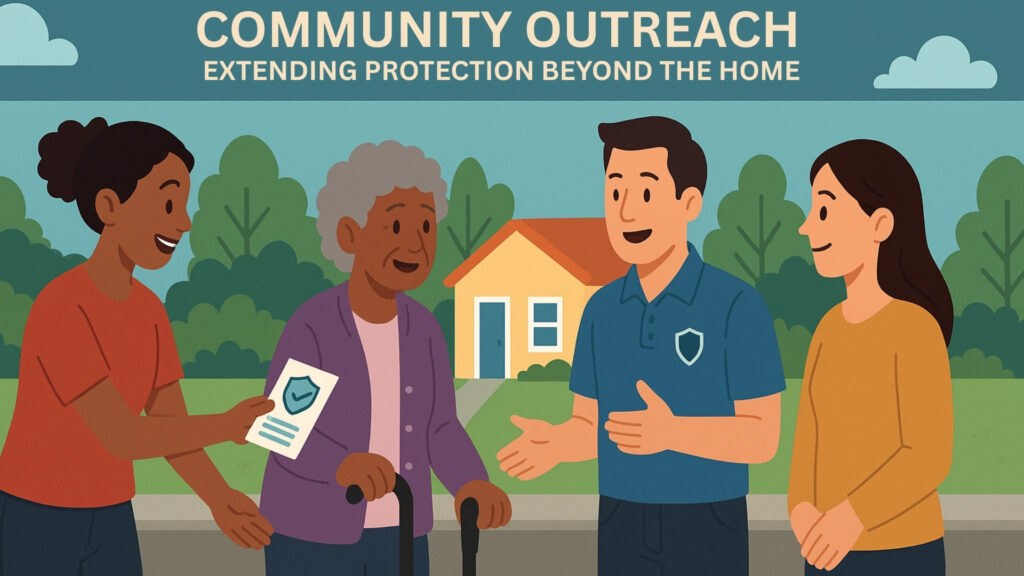
School Programs
Schools can play a major role in prevention by:
- Incorporating age-appropriate safety education into the curriculum
- Hosting parent workshops on signs of abuse and reporting procedures
- Training teachers and staff to respond to disclosures appropriately
Faith-Based Organizations
Many abuse cases occur within religious settings due to the trust placed in leaders. Churches, mosques, temples, and other faith spaces should:
- Implement strict background checks for all volunteers working with children
- Offer sermons and youth programs that address personal safety in a faith-appropriate way
- Create confidential reporting channels within the community
Nonprofit and Advocacy Groups
Organizations dedicated to child protection can host:
- Community seminars on preventing and responding to abuse
- Free counseling for survivors and their families
- Hotlines for anonymous reporting and support
Breaking the Culture of Silence
Confronting Stigma
In many cultures, talking about sexual abuse is considered taboo. This silence allows predators to act without fear of exposure. By openly discussing the reality of molestation, we reduce shame and increase awareness.
Survivor Voices
Hearing stories from survivors can be transformative. When survivors speak up:
- Other victims may feel empowered to come forward
- Communities see the long-term impact of abuse
- People understand that healing is possible with the right support
The Role of Technology in Prevention
Online Safety Education
With children spending more time online, predators have new ways to groom victims. Parents and educators should teach:
- The dangers of sharing personal information online
- Recognizing suspicious messages or friend requests
- Reporting and blocking inappropriate contact
Digital Reporting Tools
Apps and websites now allow children or adults to report abuse anonymously. This can remove the fear barrier for those who worry about retaliation.
Intervention and Support for Survivors
Immediate Steps When Abuse is Suspected
- Ensure the child is safe (remove them from contact with the suspected abuser).
- Listen without judgment — avoid pressing for details; let them speak at their own pace.
- Report immediately to local authorities or child protective services.
- Seek medical attention if needed, both for health and documentation purposes.
Long-Term Healing
Survivors often deal with long-term emotional scars such as PTSD, depression, anxiety, and trust issues. Support can include:
- Professional therapy (individual or group)
- Support groups with other survivors
- Creative outlets such as art, music, or writing therapy
- Faith-based counseling for those who find strength in spirituality
Legislation and Policy: Creating Safer Communities
Stronger Background Checks
All organizations involving children should be required to conduct thorough checks on employees and volunteers.
Mandatory Reporting Laws
Teachers, doctors, coaches, and other professionals should be legally required to report suspected abuse.
Harsher Penalties for Offenders
Consistent sentencing for child predators reinforces that society will not tolerate these crimes.
How Everyone Can Help
- Parents: Talk openly with your children about body safety.
- Educators: Incorporate prevention education into your teaching.
- Neighbors: Watch for unusual behavior in children in your community.
- Faith Leaders: Create safe spaces where abuse can be discussed and reported.
- Lawmakers: Support stronger child protection laws.
Conclusion: Protecting Our Future
The fight against molestation is not just a legal battle — it’s a moral and cultural mission. Protecting children means reshaping how society talks about abuse, ensuring every child knows their rights, and building a network of adults committed to their safety.
When we combine education, outreach, and empathy, we not only protect our youth — we help them grow into confident, safe, and empowered adults. The responsibility belongs to all of us, and the time to act is now.