Introduction: A New Way of Speaking About Cancer
For decades, conversations about cancer have often been framed in the language of loss, fear, and tragedy. Phrases like “battling cancer,” “lost their fight,” or “cancer victim” have dominated headlines, obituaries, and awareness campaigns. While these terms attempt to express compassion, they often unintentionally reinforce the image of powerlessness.
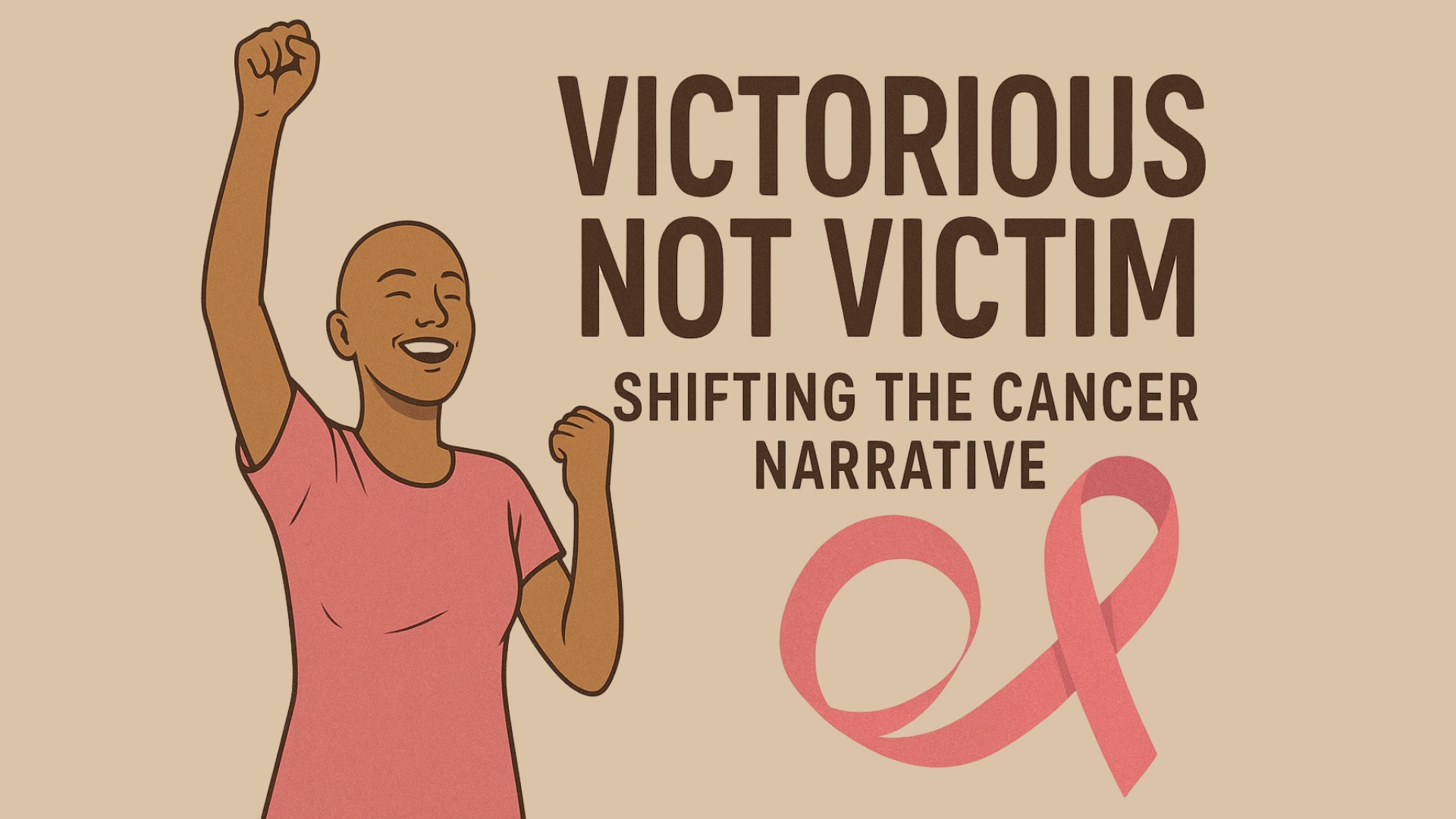
But a powerful cultural shift is taking place. Across communities, cancer survivors and advocates are rewriting the narrative—choosing words that celebrate strength, courage, and victory rather than helplessness. The movement “Victorious Not Victim” is at the heart of this change, reminding the world that those living with or beyond cancer are not defined by illness but by resilience, faith, and empowerment.
This blog dives deep into what it means to shift the cancer narrative, why language matters, and how communities in North Carolina, New York, and beyond are championing cancer education, awareness, and survivorship.
Why Language Matters in the Cancer Journey
Words have the power to shape perceptions. When we call someone a “victim,” it subconsciously places them in a passive role—someone to whom something terrible has happened. It strips away agency and reduces identity to a diagnosis.
On the other hand, when we say “survivor,” “warrior,” or “victorious,” the tone shifts dramatically. It emphasizes strength, perseverance, and triumph, regardless of medical outcomes. Survivorship is not just about being cancer-free—it’s about the courage to live fully, advocate for others, and find purpose through pain.
Many cancer organizations and survivors are actively working to replace outdated terminology with affirming language. This change doesn’t just impact patients—it transforms how families, communities, and society as a whole support and engage with cancer awareness.
From Silence to Empowerment: Changing the Conversation
Historically, cancer was whispered about in fear. Families avoided talking openly about diagnoses. Many patients felt shame or isolation. But in today’s world, advocacy movements have replaced silence with storytelling.
Survivors are taking to social media, community health events, and support groups to share their journeys—warts and all. Their openness shatters stigma and replaces pity with empowerment.
For instance, women’s cancer education programs in New York City encourage storytelling as a tool for awareness. Similarly, community health events in North Carolina bring survivors on stage to talk about symptoms, early detection, and recovery. When women speak openly about uterine cancer symptoms—such as abnormal bleeding, pelvic pain, or changes in menstruation—they save lives by encouraging others to seek medical care early.
Through these platforms, cancer is no longer just a tragedy—it’s a testimony.
Victorious Voices: Survivor Stories That Inspire
The power of shifting narratives shines brightest through survivor stories.
- Levinda’s Legacy: In North Carolina, the late Levinda H. Bullock, founder of The L.E.V.I.N.D.A. Project, transformed her cancer journey into a mission of awareness and advocacy. She encouraged women to prioritize screenings and faith-based healing, leaving behind a legacy that continues to educate and uplift communities.
- Faith-Based Cancer Events in New York: Churches and ministries are leading conversations on health, offering prayer and medical education side by side. This faith-driven approach reminds survivors that they are spiritually victorious, even while navigating treatment.
- NC Support Groups for Uterine Cancer Survivors: In Charlotte, Raleigh, and Durham, women gather not only to share experiences but to uplift one another with practical advice on treatment, nutrition, and mental health. These support groups create spaces where women don’t feel like patients—they feel like sisters, bound by strength.
- Urban Media Platforms: Creative outlets like Forever Live Young Entertainment (FLY Entertainment) are using radio, music, and digital platforms to amplify survivor voices. By blending entertainment with advocacy, they reach broader audiences and make cancer education accessible in spaces where traditional healthcare messages might not reach.
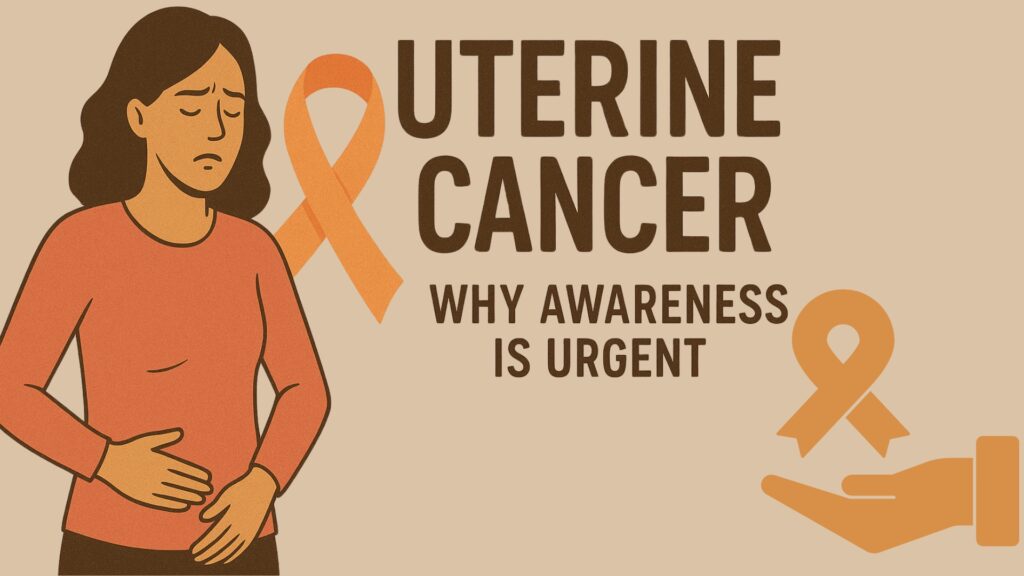
Uterine Cancer: Why Awareness is Urgent
Shifting the narrative also means shining light on cancers that have historically been under-discussed. Uterine cancer (particularly endometrial cancer) is one of the fastest-growing gynecologic cancers in the U.S., yet awareness is still limited.
Many women don’t know the early warning signs, which can include:
- Abnormal or heavy bleeding (especially post-menopause)
- Pelvic or abdominal pain
- Unexplained weight loss
- Pain during sex or urination
Education is power. When women recognize symptoms early and seek medical help, survival rates increase significantly. But education only works if communities talk openly. That’s why awareness efforts in North Carolina and New York City are crucial—they combine medical information with survivor testimonies, faith-based encouragement, and culturally relevant outreach.
The Role of Community: Why Collective Support Matters
No one should walk through cancer alone. Survivors thrive when communities rally around them with practical, emotional, and spiritual support.
- Community Health Events in NC bring together doctors, advocates, and survivors to provide free screenings, workshops, and resources.
- Women’s Cancer Education NYC creates safe spaces for women to ask questions without fear or shame.
- Faith-Based Cancer Events in New York use prayer circles, gospel concerts, and health fairs to merge spiritual encouragement with medical education.
- Support Groups for Uterine Cancer in North Carolina provide mentorship, peer counseling, and sisterhood.
Community care ensures that survivors are not treated as isolated patients but as cherished individuals whose stories matter.
Beyond Survival: Redefining Victory
Victory doesn’t always mean remission. For many, victory is:
- Finding peace in the midst of treatment.
- Using their story to raise awareness.
- Creating organizations or events that uplift others.
- Continuing to laugh, love, and live in spite of cancer.
This reframing empowers survivors to embrace their journeys without being defined solely by outcomes. It transforms a “fight” into a testimony of resilience.
The Media’s Role in Shaping the Narrative
The media has tremendous influence over how society views cancer. Too often, headlines emphasize death and tragedy. But platforms like FLY Entertainment are rewriting the script by spotlighting survivor stories and using entertainment to spread awareness.
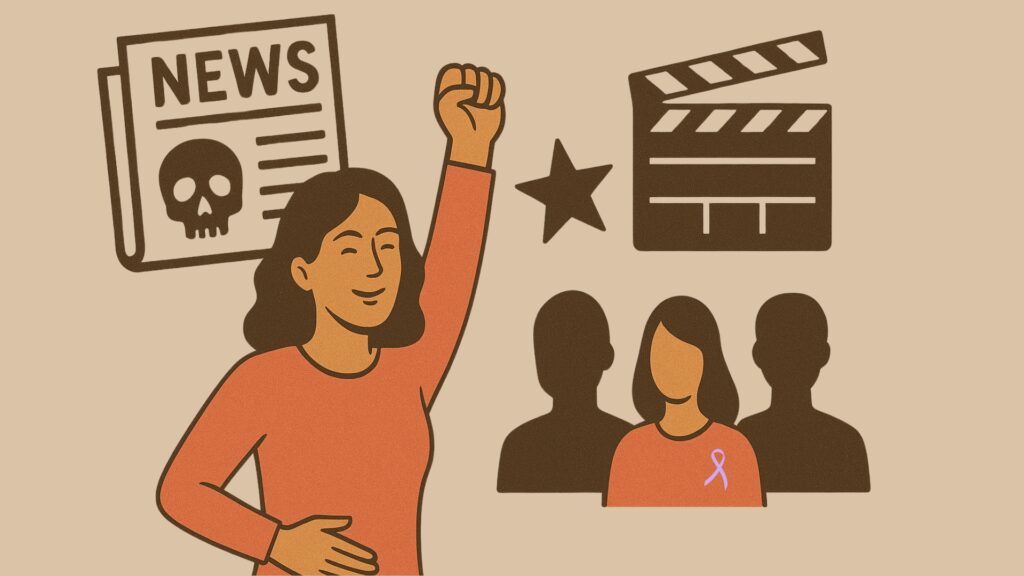
Podcasts, radio shows, celebrity interviews, and virtual broadcasting can all amplify the message: survivors are victorious, not victims. When survivors see themselves represented in powerful, affirming ways, it creates a ripple effect across communities.
How to Support the “Victorious Not Victim” Movement
Shifting the narrative is not just about survivors—it’s about all of us. Here’s how you can help:
- Choose Empowering Language: Replace words like “victim” with “survivor” or “warrior.”
- Support Awareness Events: Attend or donate to community health events in NC or women’s education programs in NYC.
- Promote Faith-Based Encouragement: Partner with churches or ministries that offer holistic cancer support.
- Join or Start a Support Group: Especially for underrepresented cancers like uterine cancer.
- Use Your Platform: Whether through media, social networks, or personal conversations, amplify survivor stories.
Conclusion: Victory is in the Narrative
Cancer is undeniably difficult, but it does not define identity. Survivors and advocates are proving every day that strength, faith, and community can turn pain into purpose.
The “Victorious Not Victim” movement reminds us that narratives matter. When we choose words of empowerment, we honor survivors not as passive recipients of tragedy but as active creators of legacy.
From North Carolina’s community health events to New York’s faith-based cancer initiatives, from support groups for uterine cancer to entertainment platforms like FLY Entertainment, voices are rising to declare:
We are not victims. We are victorious.