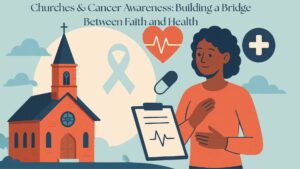
Uterine cancer, a common form of gynecologic cancer, affects thousands of women each year, yet it often remains under-discussed in public health conversations. With growing emphasis on women’s health, particularly through organizations like Women’s Cancer Foundations and faith-based cancer support networks, it’s vital to increase awareness, educate communities, and share survivor stories that inspire hope and healing.
This blog explores uterine cancer symptoms, risk factors, types—especially endometrial cancer, and prevention methods. It also highlights the role of community support and real-life stories from survivors.
Understanding Uterine Cancer
Uterine cancer occurs when abnormal cells grow uncontrollably in the uterus, a pear-shaped organ in the female reproductive system. It’s one of the most common gynecologic cancers and includes two main types:
1. Endometrial Cancer
This is the most common type, originating in the lining of the uterus (the endometrium). It accounts for over 90% of uterine cancer cases.
2. Uterine Sarcoma
A rarer and more aggressive form, this cancer begins in the muscle or other tissues of the uterus.
Endometrial Cancer Facts
- It is the most frequently diagnosed gynecologic cancer in the U.S.
- It primarily affects postmenopausal women.
- If detected early, it has a high survival rate.
- Risk increases with age, obesity, and hormonal imbalances.
These endometrial cancer facts highlight why routine gynecologic checkups and early education are so important.
Recognizing Uterine Cancer Symptoms
One of the most significant challenges in treating uterine cancer is that symptoms may appear subtle or be mistaken for normal aging or menstruation-related issues. Recognizing uterine cancer symptoms early can make a critical difference in outcomes.
Common Symptoms Include:
- Abnormal vaginal bleeding (especially after menopause)
- Pelvic pain or pressure
- Unusual vaginal discharge
- Pain during intercourse
- Frequent urination or changes in urinary patterns
Anyone experiencing these symptoms should seek immediate evaluation by a gynecologist. Uterine cancer education efforts often focus on teaching women to recognize these early signs.
Who Is Most at Risk? Endometrial Cancer Risk Factors
Understanding endometrial cancer risk factors helps in prevention and earlier detection. Risk factors include:
1. Hormonal Imbalance
High levels of estrogen (unopposed by progesterone) can stimulate the endometrial lining, increasing cancer risk.
2. Obesity
Excess fat tissue increases estrogen production, creating a hormonal imbalance.
3. Age
Most cases occur in women aged 50 or older.
4. Menstrual History
Early menstruation (before age 12) or late menopause (after 55) lengthens the exposure to estrogen.
5. Family History and Genetics
Women with Lynch syndrome or a family history of uterine, colon, or ovarian cancer are at increased risk.
6. Tamoxifen Use
This breast cancer drug may slightly increase uterine cancer risk.
7. Diabetes and Hypertension
These chronic conditions may also contribute.
Uterine Cancer Support: Navigating the Journey
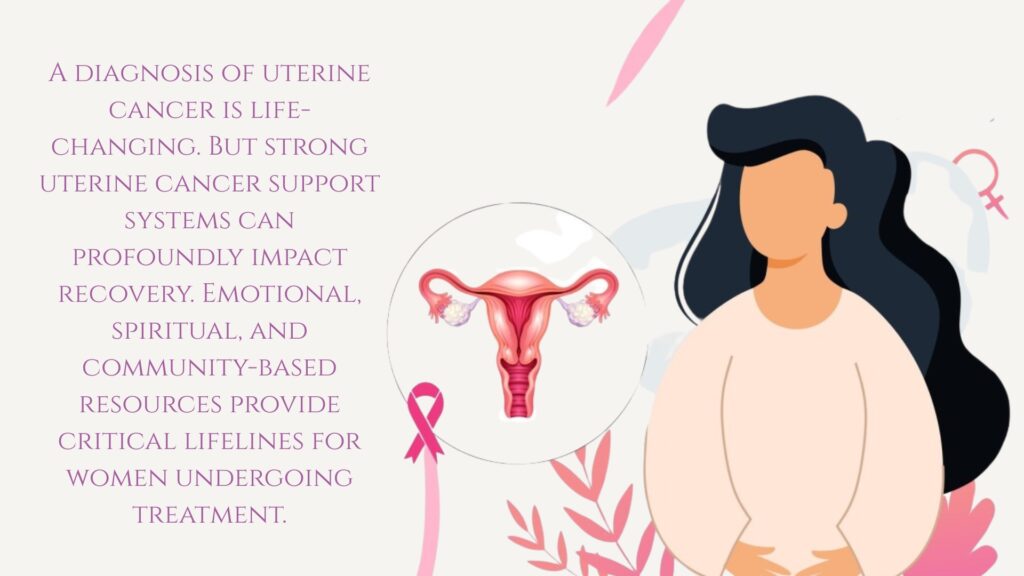
Types of Support:
- Medical: Oncologists, gynecologic specialists, fertility experts.
- Psychological: Counselors, therapists, support groups.
- Spiritual: Faith-based cancer support groups offer prayer, hope, and companionship.
- Community: Non-profits, women’s cancer foundations, and online forums.
Many survivors report that faith and spirituality played a major role in their healing. Churches and faith organizations often host wellness sessions, prayer vigils, or health awareness events geared toward women’s cancers.
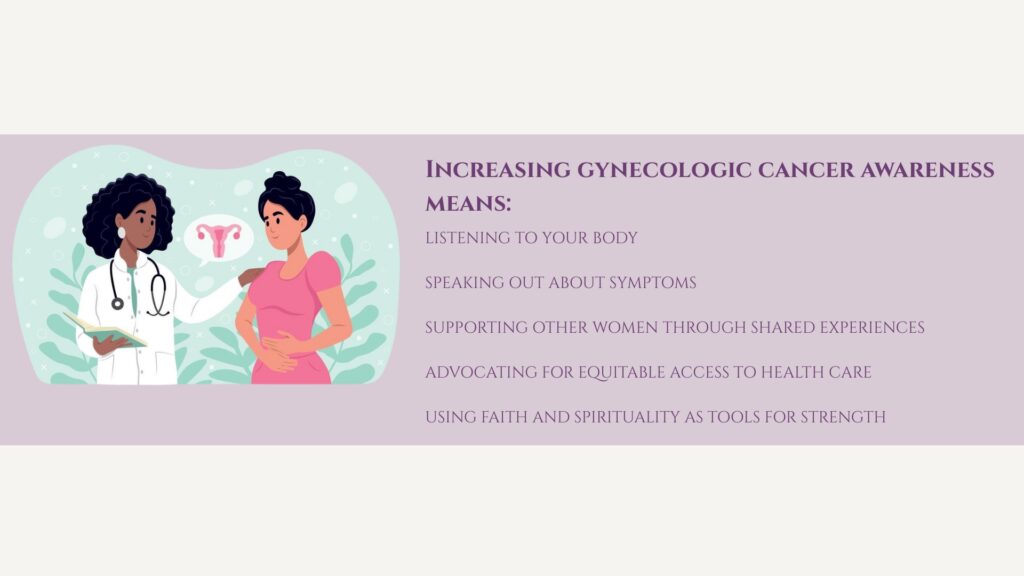
Gynecologic Cancer Awareness: Breaking the Silence
Public awareness around gynecologic cancers—especially uterine cancer—is growing, but much work remains.
Key Awareness Goals:
- Promoting annual gynecologic exams.
- Educating women about symptom recognition.
- Addressing disparities in access to care.
- Supporting culturally sensitive outreach, particularly in Black, Latinx, and rural communities.
- Increasing funding for research and education.
National campaigns like Gynecologic Cancer Awareness Month and initiatives led by the Women’s Cancer Foundation play a critical role in dismantling stigma and saving lives.
Diagnosis and Screening
There is no universal screening test for uterine cancer, but early diagnosis often involves:
- Pelvic exams
- Transvaginal ultrasound
- Endometrial biopsy
- Dilation and curettage (D&C)
Women with persistent abnormal bleeding or other warning signs should not delay these assessments. Early-stage detection drastically improves survival.
Treatment Options for Uterine and Endometrial Cancer
Treatment depends on cancer stage and type but may include:
1. Surgery
A hysterectomy (removal of the uterus) is the most common treatment, often accompanied by the removal of ovaries and fallopian tubes.
2. Radiation Therapy
Used to kill remaining cancer cells or shrink tumors before surgery.
3. Chemotherapy
Especially for advanced or recurrent cancers.
4. Hormone Therapy
Useful when the cancer is hormone-sensitive.
5. Targeted Therapy and Immunotherapy
Still in developmental stages, but showing promise for certain uterine cancers.
Supportive care and managing side effects—like fatigue, hair loss, or early menopause—are vital components of a comprehensive treatment plan.
Prevention and Proactive Steps
While some risk factors cannot be controlled (like age or genetics), many steps can reduce your chances of developing uterine cancer.
1. Maintain a Healthy Weight
Obesity significantly raises the risk due to increased estrogen levels.
2. Control Blood Sugar
Managing diabetes and blood pressure supports hormonal balance and uterine health.
3. Use Birth Control Wisely
Combination birth control pills (containing both estrogen and progestin) may reduce risk when used appropriately under medical guidance.
4. Regular Gynecological Checkups
Annual exams and symptom awareness are your first defense.
5. Know Your Family History
Discuss with your doctor if you have relatives with gynecologic or colon cancers.
6. Faith-Based Cancer Support and Lifestyle Balance
Emotional wellness, prayer, mindfulness, and supportive religious communities can positively influence prevention behavior and healing.
Endometrial Cancer Survivor Stories: Voices of Strength
Survivor stories bring facts to life. Here are two profiles of women whose experiences offer strength and insight:
Yvette, 52, North Carolina
Yvette noticed spotting after menopause. Initially dismissive, she decided to see her OB-GYN after reading an article on uterine cancer symptoms. She was diagnosed with stage I endometrial cancer.
“My faith got me through surgery and recovery. My church ladies brought food, prayed with me, and my Women’s Cancer Foundation navigator helped me find financial assistance.”
She’s now a volunteer advocate, educating Black women in her community on the importance of acting early.
Lucia, 45, NYC
A single mother of two, Lucia experienced pelvic pain and heavy bleeding. After several misdiagnoses, she was referred to a specialist who performed a biopsy.
“I joined an online uterine cancer support group. I cried, laughed, and healed with women who truly understood.”
Today, she’s cancer-free and leads virtual awareness events, sharing endometrial cancer facts and prevention tips in both English and Spanish.
Why Women’s Cancer Foundations Matter
Organizations dedicated to gynecologic cancers offer education, advocacy, and direct aid. Their impact includes:
- Raising awareness
- Providing financial aid
- Supporting research
- Creating survivor networks
- Promoting diversity in care
These groups often collaborate with faith-based cancer support organizations, creating holistic healing environments that respect body, mind, and spirit.
Bringing it All Together: Faith, Education & Empowerment
Addressing uterine and endometrial cancer isn’t just about medical treatment—it’s about cultural education, faith, and empowerment.
Resources & Next Steps
Here are steps you can take today:
- Schedule a pelvic exam or speak with your OB-GYN if you have any symptoms.
- Share this blog with other women in your life.
- Support or volunteer with a Women’s Cancer Foundation.
- Join a support group—online or through your church or hospital.
- Speak with your family about medical history and educate younger women on risks.
- Attend or host a gynecologic cancer awareness event in your community.
Final Thoughts
Uterine cancer is serious—but not silent anymore. Through increased awareness, survivor advocacy, and faith-based healing, women are standing stronger than ever.Let’s keep the conversation going. Because education saves lives—and every woman deserves the chance to live hers fully.